

You put your retainer back in after several days or weeks and suddenly it feels much tighter than you remember. This usually means your teeth have moved slightly while the retainer was not being worn consistently.
A tight retainer does not always mean you need a new one. If it still fits completely over your teeth and causes only mild pressure, you may often continue wearing it, but a retainer that will not fit properly or causes significant pain should never be forced.
Why Does Your Retainer Feel Tight After A Break?
Retainers are designed to hold your teeth in the positions achieved after orthodontic treatment. Once you stop wearing them as recommended, your teeth can gradually begin moving again.
Even a small amount of movement can make a previously comfortable retainer feel tight. The longer you have gone without wearing it, the greater the possibility that the fit has changed.
Other reasons a retainer may suddenly feel different include:
- The retainer has become warped
- It was exposed to excessive heat
- It has been damaged
- Your teeth have shifted
- The retainer is no longer fitting evenly
If you are unsure whether the problem is your teeth or the appliance itself, an orthodontic examination is the safest way to find out.
Should You Keep Wearing A Tight Retainer?
The most important question is whether the retainer still fits completely.
If your retainer seats fully over your teeth and simply feels tighter than before, mild pressure can indicate that your teeth have shifted slightly. Wearing it consistently again may help maintain or correct a very small amount of movement.
However, you should not force a retainer that does not fit into position. According to the American Association of Orthodontists, a retainer that causes pain or no longer fits properly should be assessed by an orthodontist rather than pushed onto the teeth.
Tight Vs Too Tight: How Can You Tell?
There is an important difference between a retainer feeling snug and one that clearly no longer fits.
A Retainer May Still Be Wearable If:
- It fits completely over all your teeth
- You feel pressure rather than sharp pain
- There are no major gaps between the retainer and teeth
- You can remove and replace it normally
- The pressure begins improving with regular wear
A little tightness can happen after missing several nights of retainer use. The AAO notes that wearing the retainer more consistently for a few days may be enough when only minor movement has occurred.
Stop and Contact Your Orthodontist If:
- The retainer will not go completely onto your teeth
- You need significant force to push it into position
- It causes strong or sharp pain
- One section fits while another stays lifted
- The plastic appears bent or distorted
- The retainer cracks when you try to insert it
Trying to force an appliance that no longer matches your teeth may cause unnecessary discomfort. An orthodontist can determine whether your existing retainer can still be used or whether another solution is necessary.
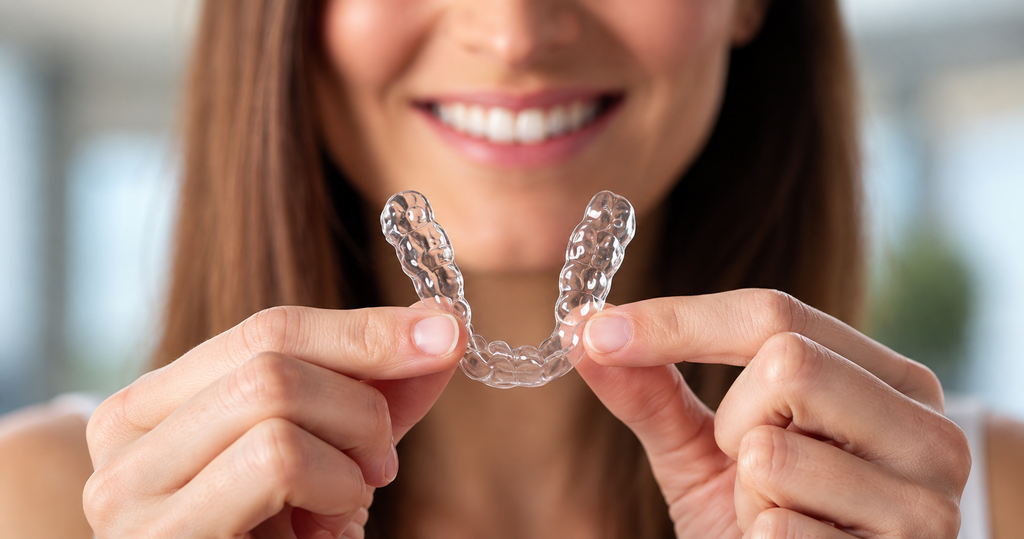
How Long Should You Try Wearing It Again?
If the retainer fits fully and only feels mildly tight, returning to more consistent wear for a few days may help. The pressure should become more comfortable rather than progressively worse.
If the retainer continues to feel very tight, becomes painful, or still does not fit correctly after consistent use, schedule an orthodontic check. Persistent changes can mean that your teeth have moved beyond what the existing retainer can safely manage.
You can learn more about orthodontic retainers at Trio Dental Center and why retention remains important after orthodontic treatment.
What Happens To Your Teeth When You Stop Wearing A Retainer?
Finishing braces or clear aligner treatment does not mean your teeth are permanently locked into their new positions. Teeth naturally remain capable of movement, which is why retention is an essential part of orthodontic treatment.
Without regular retainer wear, teeth may gradually move toward previous positions, a process often referred to as orthodontic relapse. The changes may initially be small enough that you only notice them because your retainer suddenly feels tighter.
Over time, you may notice:
- Small gaps returning
- Crowding in the front teeth
- Teeth rotating
- Changes in your bite
- The retainer becoming increasingly difficult to wear
Addressing a change early may provide more options than waiting until the teeth have moved significantly.
What If Your Retainer No Longer Fits At All?
Do not assume that pushing harder will move everything back into place. If your retainer cannot seat correctly, your teeth may have moved too far for that particular appliance.
Depending on the amount of movement, your orthodontist might recommend a new retainer or additional orthodontic treatment. Minor relapse may sometimes be corrected with clear aligners, while greater movement may require a more complete treatment plan.
For patients considering this option, Trio Dental Center also provides Invisalign treatment in Albania for suitable orthodontic cases.
Could The Retainer Itself Be The Problem?
Yes. A tight retainer does not always mean that your teeth have moved.
Clear plastic retainers can change shape if they are exposed to excessive heat or stored incorrectly. Wear, cracks, or distortion can also prevent a retainer from fitting the way it originally did.
Check your retainer for obvious damage before putting it back into your mouth. If its shape looks different or one side no longer fits correctly, have it examined instead of continuing to force it.
Can A Tight Retainer Move Teeth Back?
A properly fitting retainer may help with very minor movement, particularly when the change is caught early. However, retainers are primarily designed to maintain tooth position rather than perform significant orthodontic correction.
If several teeth have noticeably changed position, trying to use an old retainer as an improvised aligner is not the right approach. Your orthodontist needs to determine how much movement has occurred and whether active treatment is necessary.
What If You Stopped Wearing Your Retainer For Months Or Years?
The longer the break, the more likely it is that your teeth have changed position. Some people can still wear an old retainer after a long period, while others find that it no longer fits at all.
Do not judge the situation only by how long you stopped wearing it. What matters most is whether the retainer fits correctly now and how much your tooth alignment has changed.
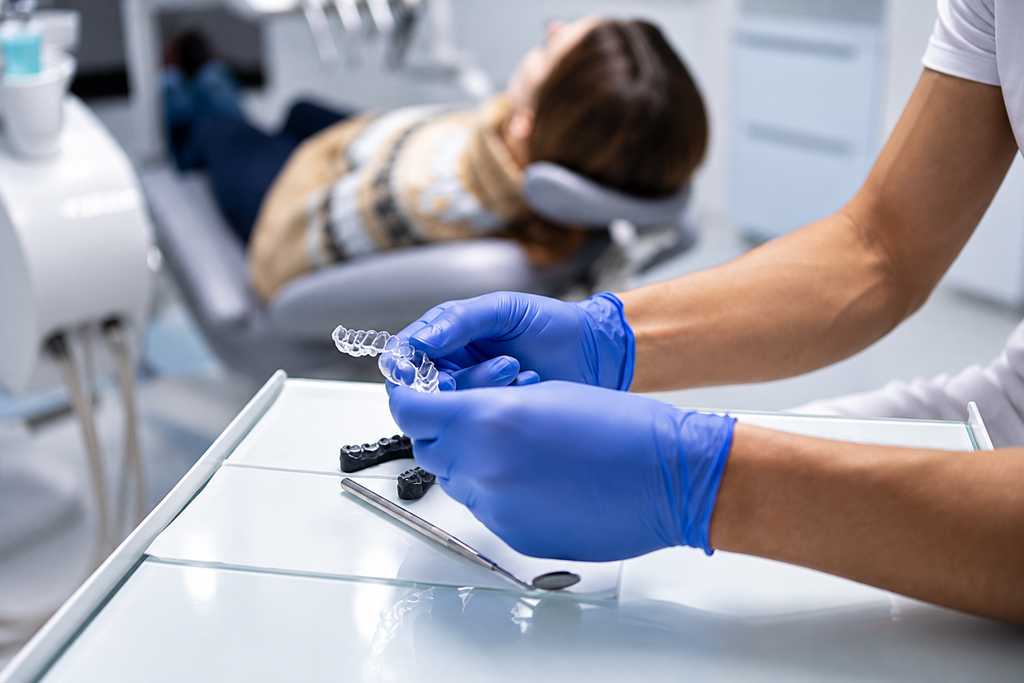
How Can You Prevent Your Retainer From Feeling Tight Again?
Once your teeth are straight, retention becomes part of protecting that result. Follow the wear schedule provided by your orthodontist rather than waiting until the retainer feels tight before using it again.
Good habits include:
- Wearing your retainer according to instructions
- Keeping it in its case when not in use
- Cleaning it regularly
- Avoiding hot water that could distort plastic
- Replacing damaged retainers promptly
- Having the fit checked if something changes
Consistency is much easier than trying to correct new tooth movement months later.
Retainer Check At Trio Dental Center In Tirana
If your old retainer suddenly feels tight, Trio Dental Center in Tirana can evaluate both your tooth alignment and the condition of the appliance. The goal is to determine whether you can continue using your current retainer or whether you need an adjustment, replacement, or additional orthodontic treatment.
Patients who have previously completed braces or clear aligner treatment can also discuss long-term retention options. Learn more about Trio Dental Center in Albania and the orthodontic and cosmetic treatments available at the clinic.
Preguntas Frecuentes
Is It Normal for a Retainer to Feel Tight After Not Wearing It?
Yes, mild tightness is common if your teeth have moved slightly during a break from retainer wear. If it still fits fully and is not painful, you may often continue using it consistently for a few days.
Should I Force My Retainer Onto My Teeth?
No. If the retainer will not fit completely or you need significant force to insert it, contact your orthodontist instead.
Why Does My Retainer Fit but Hurt?
Some pressure can occur when teeth have shifted slightly, but strong or persistent pain should not be ignored. Your orthodontist can check whether the retainer still matches your current tooth position.
Will I Need Braces Again If My Teeth Have Shifted?
Not necessarily. Minor movement may sometimes require only a new retainer or limited clear aligner treatment, while more significant relapse may require additional orthodontic correction.
Your Retainer Does Not Fit Like It Used To? Have It Checked 🦷
A tight retainer may simply mean your teeth have moved slightly, but forcing an appliance that no longer fits can make the situation more uncomfortable. At Trio Dental Center, the team can check your current tooth position and help determine the right next step.
🦷 Bring your current retainer for evaluation
✨ Check whether your teeth have shifted
😁 Ask about a replacement retainer if needed
🔄 Explore Invisalign if additional correction is necessary
📅 Get a personalized orthodontic assessment
📲 WhatsApp: +355 69 747 4695
📍 Trio Dental Center – Tirana, Albania
The earlier you notice changes in your retainer fit, the easier it may be to protect the smile you worked to achieve.
 English
  Shqip
Shqip  Italiano
  Français
  Español