

You may be able to fly after dental implant surgery once your treating clinician is satisfied that your recovery and procedure allow it. There is no universal waiting period: the timing can depend on the operation, whether your sinuses were involved and whether you need a follow-up appointment.
Before booking your return journey, discuss your plan for dental implant treatment with the team. Your surgeon’s advice after the procedure should guide the final decision.
Why Should You Plan Before You Fly After Dental Implant Surgery?
After surgery, the gums and surrounding tissues need time to begin healing. Tenderness, swelling or minor bleeding may occur, and you need to know how to obtain help if symptoms change.
The concern is not simply the hours spent on a plane. You also need enough time for any recommended check-up and a practical plan for follow-up once you return home.
The complexity of surgery matters. A straightforward implant placement and a procedure involving additional grafting or the sinus may require different advice.
Does the Type of Procedure Affect When You Can Fly After Dental Implant Surgery?
Yes. The dentist considers what was actually performed, how you are feeling and whether there were any complications or unexpected findings.
For example, an implant placed in one area may involve a different recovery plan from several implants or a bone graft. If your initial plan changes during the appointment, ask whether your proposed flight remains appropriate.
A temporary tooth placed after implant surgery does not mean healing is complete. It is a provisional restoration and does not replace the need for review and later treatment when those are part of the plan.
Why Does a Sinus Lift Need Special Consideration?
A sinus lift adds material to increase bone beneath the sinus in the upper jaw for selected implant patients. Because the procedure involves an area near the sinus, your surgeon may give specific instructions about pressure changes and travel. A British Dental Journal article on dental tourism notes that no published guideline sets a waiting time for flying, and warns that flying soon after a sinus lift may expose patients to barosinusitis.
Ask before booking when it would be appropriate to fly after dental implant surgery for your exact procedure. Do not rely on a waiting period copied from another patient: the surgeon’s instructions may vary according to the operation and recovery.
Tell the team if you have a cold, sinus symptoms or a history of sinus problems. Follow their guidance about nose blowing, sneezing and any other precautions relevant to your treatment.

Questions to Ask Before Booking Your Flight
A written travel and aftercare plan can make it easier to fly after dental implant surgery and manage the return journey. Discuss the possible treatment stages before travel and confirm the advice again after surgery.
Ask your dentist:
- What procedure is planned, and might a graft or sinus lift be needed?
- When should I be examined after surgery?
- When do you expect it may be appropriate for me to fly?
- Which symptoms mean I should contact the clinic before travelling?
- What should I do if the treatment plan changes?
- Who can help me after I return home?
Consider booking travel arrangements that allow for an adjustment if clinically necessary. Leaving immediately after a procedure may not leave enough room for an advised check or unexpected care.
What Should You Take for the Journey?
Keep your aftercare instructions and the clinic’s contact details accessible. Carry your medication as directed by the prescribing clinician and check the travel rules that apply to it.
You may also want a copy of your treatment summary, any relevant implant details and the contact information for your regular dentist. Ask the clinic whether you need specific supplies for your individual recovery.
Food and drink choices should follow your post-operative instructions. Avoid putting pressure on the surgical area or changing a prescribed treatment without advice.
Which Symptoms Need Attention Before You Fly After Dental Implant Surgery?
Contact the treating clinic if bleeding persists, swelling or pain increases, or you develop fever or another symptom that concerns you. A clinician can advise whether you need to be examined and whether your travel plan should change.
Difficulty breathing or swallowing is an emergency and needs urgent medical attention. Do not wait for a routine dental reply if those symptoms occur.
Once home, tell a local dentist or medical professional what procedure you had if you need urgent care. Keep the treatment summary and clinic contact information available for that conversation.
Planning Your Return Home After Treatment in Tirana
If you are travelling for treatment, discuss the whole journey as part of your dental tourism plan. The appointment schedule, the type of procedure and your clinical review matter more than fitting every stage into the shortest possible visit.
Ask whether a later visit is expected for the final restoration and how maintenance will be coordinated where you live. Implant healing continues after the initial surgical recovery, and the later stages should be planned individually.
Before leaving the clinic, check that you know how to reach the team outside your appointment and where to seek urgent help if you are already travelling. Share any changes in your symptoms rather than waiting until the planned follow-up date.
If an airline, insurer or another healthcare professional asks about your recent surgery, a written treatment summary can help explain what was done. It does not replace an individual clinical decision about whether you are ready to travel.
FAQS Foire aux questions
Can I fly after dental implant surgery on the same day?
There is no answer that is safe for every patient. Ask your surgeon for advice based on the procedure and your recovery before making that plan.
Is flying different after a sinus lift?
It can be. Sinus procedures may involve additional precautions, so follow your surgeon’s specific instructions.
Can a temporary crown mean I am ready to fly?
Not by itself. A temporary crown and fitness to travel are separate questions that depend on your treatment and condition.
What if I feel unwell before departure?
Contact the treating clinic for advice and a possible examination. Seek urgent medical help for severe symptoms such as difficulty breathing or swallowing.
Check Your Travel Plan With Your Implant Team
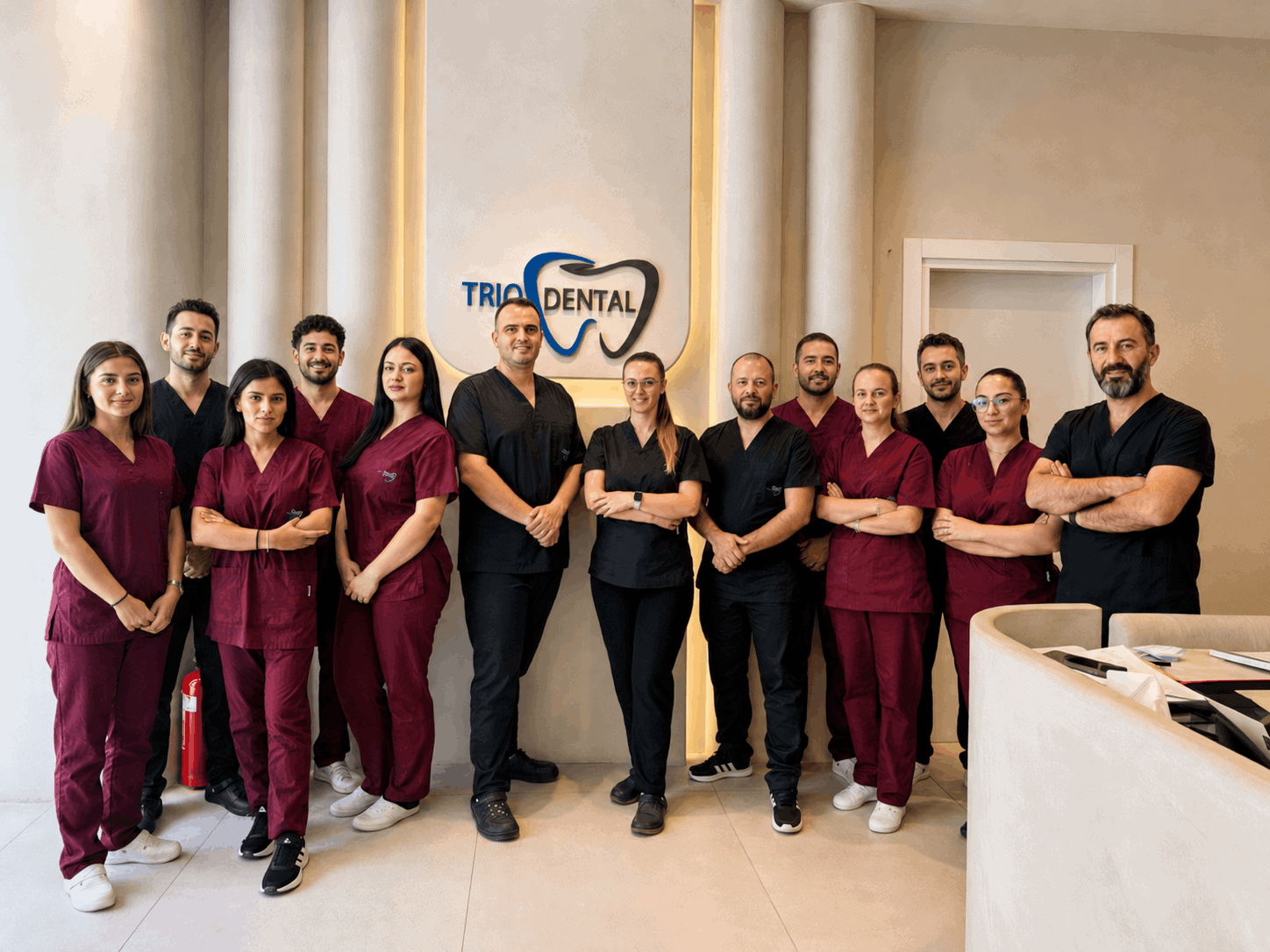
At Trio Dental Center, we can discuss your proposed procedure, follow-up and when you can fly after dental implant surgery. Contact us before booking so that your plan can allow for your individual care.
- Courriel : info@dentaltrio.com
- Téléphone : +355 69 747 4695
- Address:River Residence, Floor 1, Tirana 1001, Albania
- Contacter le centre dentaire Trio


 English
 Shqip
 Italiano
 Français
 Español