

A crown after a root canal is often recommended for a back tooth that needs protection from chewing forces, but it is not required for every tooth. The decision depends on the tooth’s position, the amount of healthy structure remaining and how it can be restored securely.
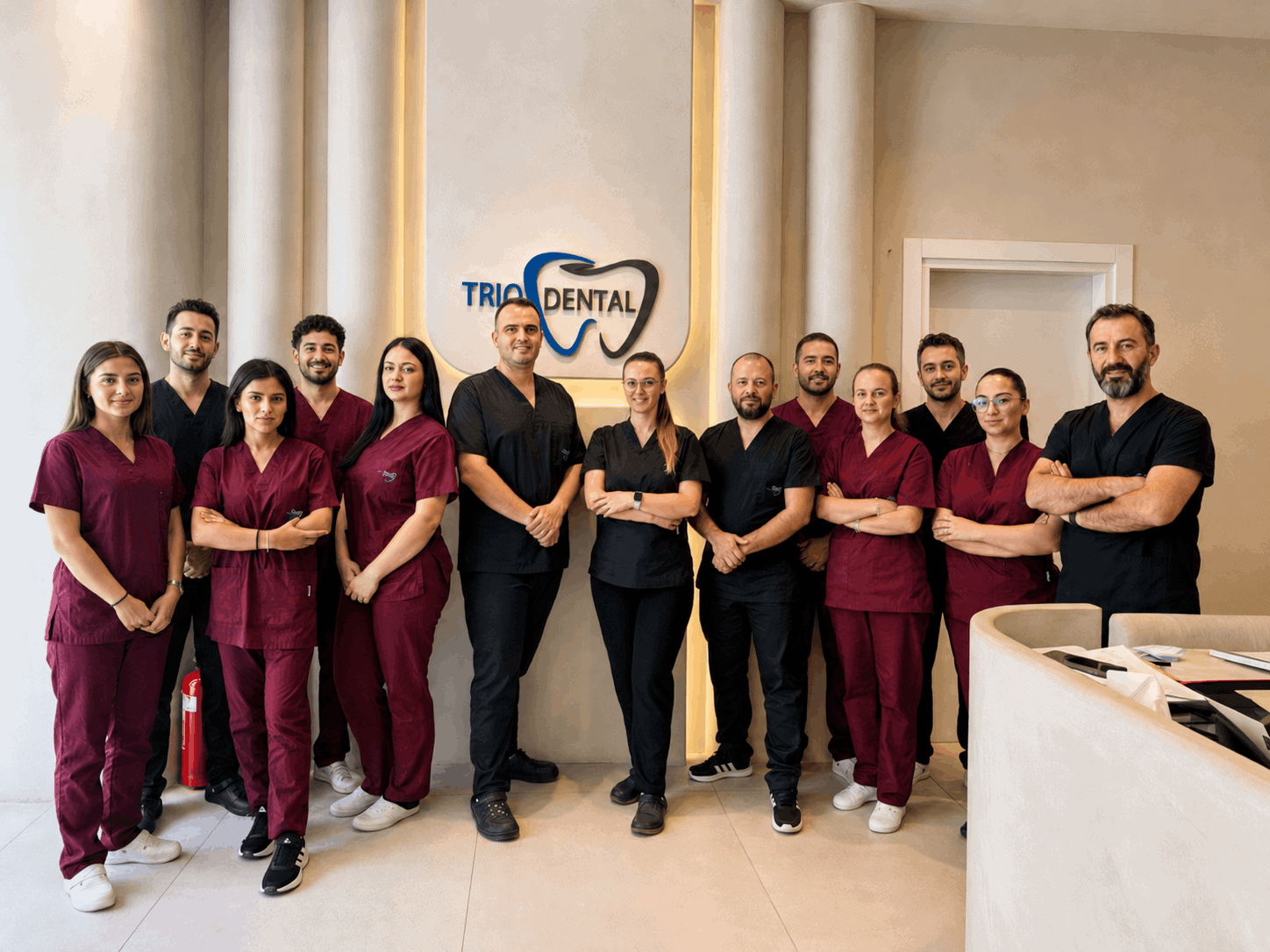
At Trio Dental Center, we assess the tooth before recommending a final restoration. Our zirconia and E-Max crown options are among the materials that may be discussed when a crown is appropriate.
What Changes After Root Canal Treatment?
Root canal treatment removes inflamed or infected tissue from inside a tooth. The canals are then cleaned and filled, and the tooth needs a restoration that seals and protects the remaining structure.

The need for protection is influenced by what has already happened to the tooth. Decay, a large filling, a fracture or the opening needed to access the canals may leave less healthy tooth structure to support normal chewing.
The root canal and the final restoration have different purposes. One treats the inside of the tooth; the other helps restore its shape, seal and function. The American Association of Endodontists says the tooth is restored afterwards with a crown or a filling for protection.
Why Back Teeth Often Need a Crown After a Root Canal
Molars and premolars take substantial chewing forces. If a back tooth has lost a significant amount of structure, covering and supporting its weakened sides may reduce the risk of fracture.
A crown after a root canal may therefore be recommended, particularly where there is a large existing filling or a missing tooth wall. In some situations another restoration that protects the chewing surface may be considered instead.
Your dentist needs to assess how much tooth remains, the bite and any cracks. A crown cannot guarantee that a tooth will never fracture, and a tooth with an unfavourable fracture may need a different plan.
Does a Front Tooth Always Need a Crown After a Root Canal?
No. A front tooth with sufficient healthy structure and no major damage may sometimes be restored with a filling instead of a full crown.
However, a front tooth with a large restoration, significant loss of structure or particular aesthetic needs may still benefit from a crown. Position alone does not determine the answer: the condition of the individual tooth matters.
| Situazione iniziale | Possible approach | What the dentist considers |
|---|---|---|
| Back tooth with extensive damage | Crown or another protective restoration | Remaining walls and chewing forces |
| Front tooth with limited damage | Filling may be suitable | Tooth structure, bite and appearance |
| Tooth with a major crack | Individual assessment | Whether the tooth can be restored reliably |
Why Should You Avoid Delaying the Final Restoration?
A temporary filling is designed to protect the tooth between appointments, not necessarily to act as a long-term restoration. If it leaks, breaks or comes out, bacteria can enter and the tooth may become vulnerable to further problems.
Delaying a crown after a root canal, or another final restoration, may also leave a weakened tooth exposed to chewing forces. Contact the dentist if the temporary filling is lost, and avoid biting hard foods on the tooth until you have been advised that it is ready.
The appropriate timing varies with the procedure and condition of the tooth. Before leaving your root canal appointment, ask when the final restoration should be planned and what to do in the meantime.
Which Crown Material Can Be Used?
Crowns can be made from different materials, and the choice depends on the tooth’s position, the space available, appearance and function. The dentist will explain which material is suitable for your individual case.
For example, our clinic offers metal-ceramic crowns as well as zirconia-based options. The material should be selected as part of the overall restorative plan, rather than on appearance alone.
What Do Root Canal Treatment and a Crown Cost at Trio?
Our current price page lists root canal treatment at €50 for a single-rooted tooth and €70 for a multi-rooted tooth. It lists a metal-ceramic crown at €120 and a zirconia-ceramic crown at €160.
The page also gives an example of root canal treatment plus a zirconia-ceramic crown at €210–€230, according to the listed root canal category. These are published examples; examinations, imaging, additional procedures or individual treatment needs may affect your written quote.
Ask whether the quote includes the final restoration, any temporary crown and further work needed to rebuild the tooth. This makes it easier to compare the complete plan rather than individual item prices alone.
What If There Is Very Little Tooth Left?
Before a crown can be fitted, the dentist needs to assess whether enough healthy tooth remains to support it. A build-up may be recommended to replace missing structure, while a post is considered only when it is needed to retain that build-up.
If a crack extends in a way that makes the tooth difficult to restore, the dentist should explain the prognosis and alternatives. Ask which part of the treatment is essential, what the uncertainties are and what happens if the assessment changes during care.
The dentist can also explain how to care for the tooth between visits. If pain becomes severe, swelling develops or a temporary restoration is lost, contact the practice instead of waiting for the planned crown appointment.
Frequently Asked Questions About a Crown After a Root Canal
Can a filling replace a crown after a root canal?
Sometimes, particularly when a front tooth retains sufficient sound structure. The dentist must assess whether a filling will provide an adequate seal and withstand your bite.
Does every root canal-treated tooth need a post?
No. A post may be used when it is needed to retain the material rebuilding the tooth, but it is not automatic.
What if my temporary filling falls out?
Contact your dentist promptly for advice and an assessment. Avoid chewing hard foods on the exposed tooth while waiting.
Can a root canal-treated tooth still fail after a crown?
Yes. A crown helps restore and protect the tooth but does not remove every risk of fracture, decay or a further infection.
Protect Your Tooth After Root Canal Treatment
At Trio Dental Center, we can assess how much tooth structure remains and explain whether a crown after a root canal or another restoration is suitable. Contact us for a treatment plan and an individual written quote.
- E-mail: info@dentaltrio.com
- Telefono: +355 69 747 4695
- Address: River Residence, Floor 1, Tirana 1001, Albania
- Contatta Trio Dental Center


 English
 Shqip
 Italiano
 Français
 Español