

A diagnosis of periodontitis does not automatically rule out dental implants in Albania. However, active gum disease should be treated and reassessed before implant placement, because inflammation and bone loss can threaten both natural teeth and future implants. The first question is whether your gums are stable, not how quickly new teeth can be fitted.
Why Periodontitis Changes the Implant Plan
Periodontitis is a long-term inflammatory disease that damages the gums and the bone supporting your teeth. It can cause deep spaces around tooth roots, bleeding, gum recession and sometimes loose teeth.
An implant does not cure periodontitis. Even after successful treatment, a history of the disease increases the risk of problems around implants, so planning and long-term maintenance need particular attention.
Check Whether Your Gum Disease Is Active
A panoramic X-ray helps show patterns of bone loss, but cannot confirm that periodontitis is currently controlled. The dentist also needs to examine the gums directly and assess individual teeth.
A periodontal assessment may include:
- Pocket measurements: Checking spaces between teeth and gums with a small dental probe.
- Bleeding on probing: Looking for inflammation below the gumline.
- X-rays: Identifying where supporting bone has been lost.
- Tooth mobility: Checking whether individual teeth remain stable.
- Plaque and medical history: Reviewing cleaning habits, smoking and diabetes control.
If you have already received periodontal treatment in Italy, bring your latest gum measurements and any previous X-rays. Comparing records can help show whether your condition has improved or changed.
Healthy-looking gums do not always tell the full story, because periodontitis can progress with few obvious symptoms. A full assessment is particularly important if you have previously lost teeth to gum disease.
Treat the Gums Before Replacing Missing Teeth
Treatment usually starts with improving daily plaque removal and professional cleaning. Where periodontitis has created deeper pockets, cleaning beneath the gums—sometimes called scaling and root planing—may be needed to remove bacterial deposits around the roots.
The gums are then given time to respond before they are measured again. If deep, inflamed pockets remain, further treatment may be needed; our guide to gum surgery before dental restorations explains when surgery may be considered.
Importantly, a quick surface cleaning is not proof that periodontitis has been controlled. Your dentist should explain the findings at reassessment and the level of ongoing care needed before implant surgery.
Stable does not mean your lost bone has grown back. It means inflammation has been brought under control and the remaining tissues can be monitored and maintained. Some patients still have reduced bone support but can keep their teeth with careful care.
Can Your Natural Teeth Be Saved?
If several teeth are loose, it can be tempting to replace them all with implants. Yet looseness alone does not establish that every tooth must be extracted, and some teeth can remain useful after periodontal treatment.
We assess factors such as remaining bone support, deep pockets, mobility, decay and whether a tooth can be cleaned and maintained. A tooth that can be preserved may offer a better option than an unnecessary extraction.
When a tooth has a hopeless prognosis, extraction may be appropriate. If many teeth cannot be maintained, All-on-4 treatment is one replacement option we offer at Trio Dental Center, but it is not a routine substitute for treating salvageable teeth.
How Periodontitis Affects Implant Risks
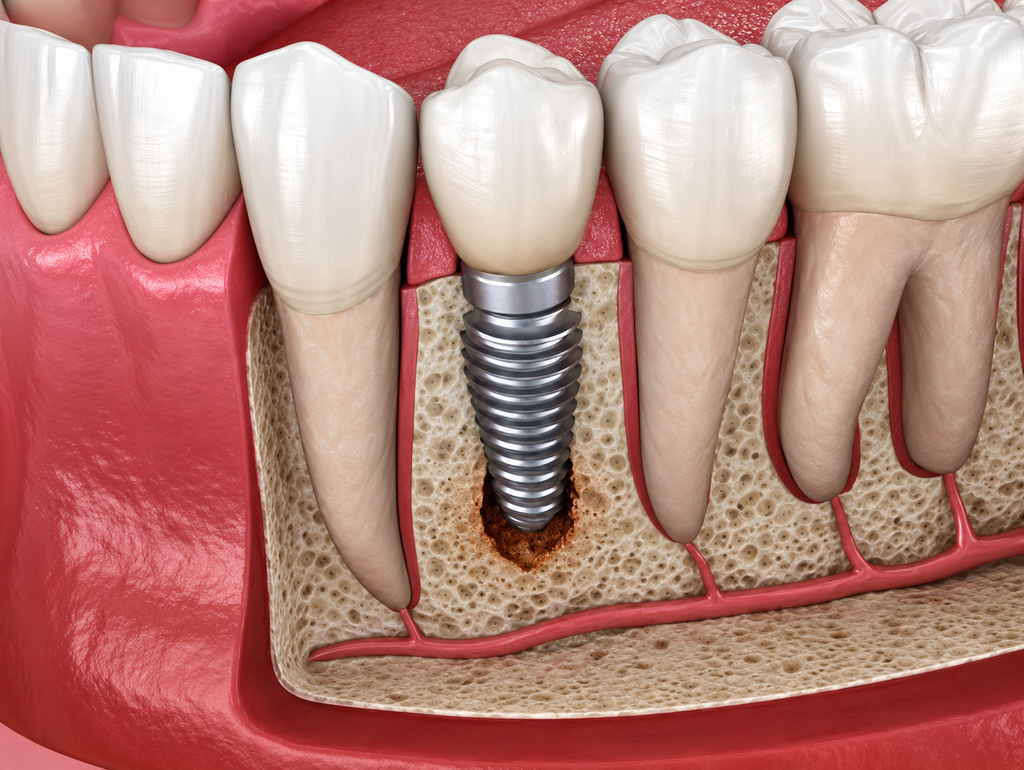
People who have had periodontitis face a higher risk of peri-implantitis, an inflammatory condition associated with bone loss around implants. This does not mean implants will fail, but the increased risk should be part of your decision.
Inflammation limited to the soft tissue around an implant is called peri-implant mucositis. If supporting bone also becomes progressively damaged, the condition is called peri-implantitis. Regular examinations are important because early problems may not be painful.
A successful plan considers more than whether there is enough bone for surgery:
- Gum stability: Residual inflammation needs appropriate management.
- Smoking: Tobacco use increases periodontal and implant-related risks.
- Diabetes: Blood sugar control can influence healing and inflammation.
- Cleanable restorations: The crown or bridge should allow you to clean around implants.
- Follow-up: Regular professional checks help identify changes early.
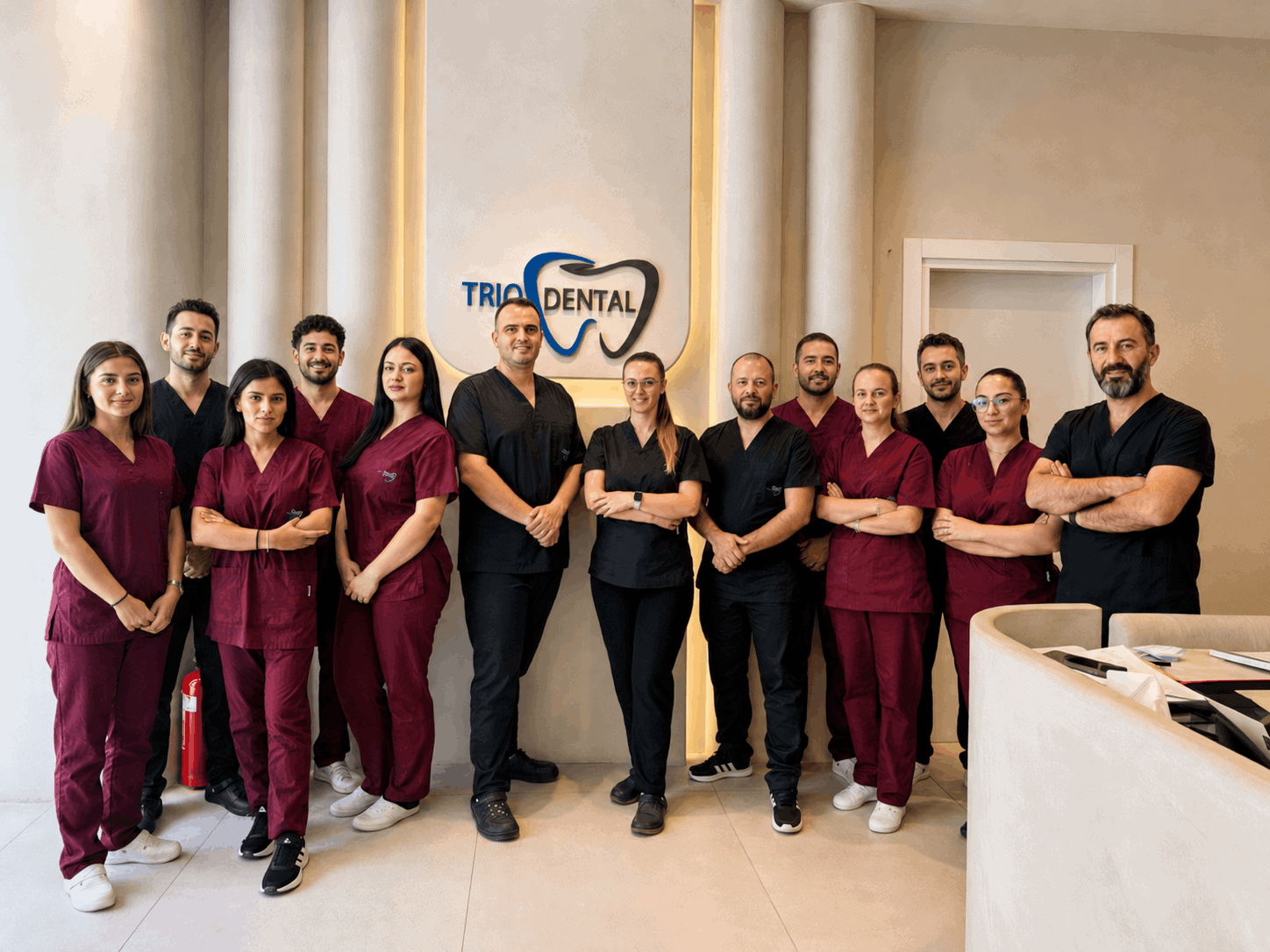
At Trio Dental Center, implant planning includes clinical assessment and 3D imaging when needed. Our implant team includes Dr. Elian Dylgjeri; the treating dentist determines the final plan after examining your gums, bone and remaining teeth.
What Could Happen Next? Four Different Situations
There is no single treatment sequence for everyone with a history of gum disease. These examples show why assessing disease activity and tooth prognosis comes before deciding on implants.
| Votre situation | The likely next discussion |
| Periodontitis was treated and gums are stable | Assess the missing-tooth site and implant suitability |
| Some pockets still bleed or remain deep | Continue periodontal care and reassess before implant surgery |
| One tooth cannot be maintained | Plan removal and a suitable replacement after controlling the disease |
| Most teeth have severe, untreatable damage | Consider a full-arch plan alongside periodontal management |
If bone has been lost at a missing-tooth site, additional procedures may sometimes be necessary. That is a separate planning question from whether the infection and inflammation have been controlled.
Travelling From Italy? Plan Gum Care Across Both Countries
Before arranging your trip to Tirana, tell us if you have been diagnosed with periodontitis and whether you are currently receiving treatment. Through our contact form, you can share a panoramic X-ray and explain what your dentist has recommended.
The in-person assessment may change the plan, especially if untreated pockets or teeth with uncertain prospects are discovered. Some patients need periodontal treatment and a reassessment before an implant appointment can be scheduled. If you are being treated locally in Italy, ask your dentist to confirm when the gums are stable enough for the next stage.
After implants are fitted, continuing supportive periodontal care in Italy is important. Agree on who will perform routine gum checks, how records will be shared and when the implant team should review any concern.
FAQs About Periodontitis and Dental Implants
Do bleeding gums always mean I have periodontitis?
No. Bleeding may come from gingivitis or other causes, so it does not establish the diagnosis on its own. A dentist can check for periodontal pockets and bone loss to understand what is happening.
Can antibiotics alone prepare my gums for implants?
No. Antibiotics do not replace removal of plaque and tartar from affected root surfaces. They may be considered for selected cases, but should not be started without a clinician’s assessment.
Can I have temporary teeth while periodontal treatment continues?
Sometimes, especially if you cannot chew comfortably or are missing visible teeth. A removable or temporary restoration may help, provided it does not interfere with cleaning and healing.
What if I already have an implant and the gum around it bleeds?
Arrange a dental assessment rather than assuming it is harmless. Bleeding can indicate inflammation around an implant, and early investigation can help prevent more serious problems.
Will I need periodontal check-ups forever?
Periodontitis requires long-term supportive care because inflammation can return even after successful treatment. The frequency of visits is individual and is based on disease history, risk factors and findings at each review.
🦷 Explore Your Implant Options at Trio Dental Center
Have gum disease and missing teeth made you unsure about implants? Contact Trio Dental Center to discuss what records to send and whether a gum assessment should come before planning treatment in Tirana.
- 📧 Courriel : info@dentaltrio.com
- 📞 Telephone: +355 69 747 4695
- 📍 Lieu : River Residence, 1er étage, Tiranë 1001, Albanie
- 🌐 Contact us: Ask our team about implant treatment


 English
 Shqip
 Italiano
 Français
 Español