

It’s one of the first questions every implant patient asks, and one of the most important. Dental implants are a significant investment, and before committing to the procedure, you deserve a straight, honest answer rather than vague reassurances.
The short answer is that implants can last a lifetime. The longer answer is that it depends on several factors, and understanding those factors is what will help you protect your investment for decades to come. Here’s everything you need to know, from Trio Dental Center in Albania.
The Implant vs. The Crown: Two Different Lifespans
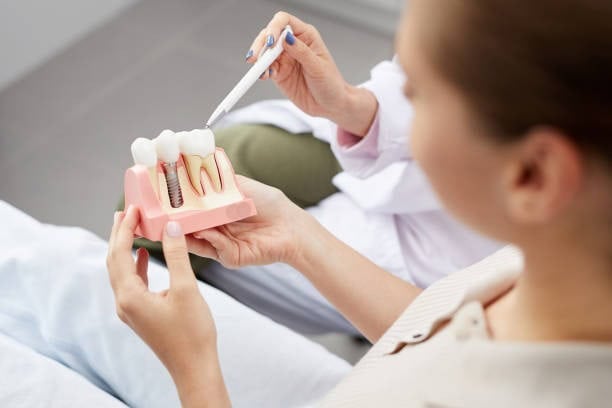
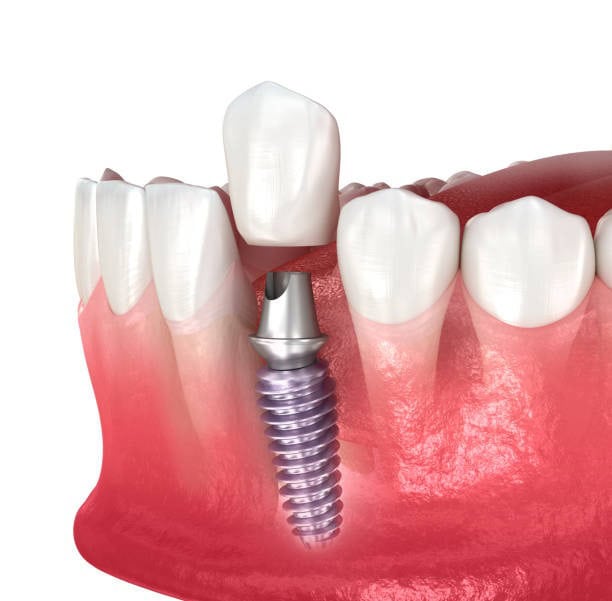
This is the distinction most patients aren’t told upfront, and it’s crucial. A dental implant actually has two components with different expected lifespans:
The implant itself — The titanium screw that integrates with your jawbone. This is the permanent part. In the vast majority of cases, a successfully placed and properly maintained implant lasts for life. Studies following implant patients over 20–30 years consistently show survival rates above 95%.
The crown — The visible tooth-shaped restoration placed on top of the implant. This is the component that takes daily wear from chewing, grinding, and contact with food and drink. Crowns typically last 10–20 years before they may need replacing, depending on the material used and how well they’re maintained.
What Determines How Long An Implant Lasts?

Osseointegration — The Foundation Of Everything
Osseointegration is the process by which the titanium implant fuses with the surrounding jawbone after placement. If this process completes successfully, which it does in the overwhelming majority of cases, the implant becomes a permanent, stable part of your jaw structure.
The quality of osseointegration depends on:
- Bone density and volume at the implant site
- The patient’s overall health and healing capacity
- The surgeon’s technique and implant placement
- Following post-operative instructions during the healing period
At Trio Dental Center, we use 3D CBCT scanning and computer-guided implantology to plan every implant placement precisely — maximising the conditions for successful osseointegration from day one.
Implant Quality And Material
Not all implants are equal. The titanium grade, surface treatment, and manufacturing precision of the implant itself directly affect how well it integrates with bone and how it holds up over decades.
At Trio Dental Center, we use implants manufactured in Germany — the same high-grade materials used in top clinics across Western Europe. Choosing a clinic that cuts costs on implant materials is one of the most common mistakes patients make when seeking affordable treatment abroad.
The Patient’s Oral Health
Gum disease is one of the leading causes of implant failure, both in the short term and over the long term. The condition is called peri-implantitis, and it’s essentially gum disease affecting the tissue around an implant. Left untreated, it causes bone loss around the implant and can eventually lead to implant loss.
The good news is that peri-implantitis is largely preventable with consistent oral hygiene and regular professional maintenance.
Lifestyle Factors
Several lifestyle habits significantly affect implant longevity:
Smoking is the single biggest preventable risk factor for implant failure. Smoking impairs healing, reduces blood supply to the gums and bone, and dramatically increases the risk of peri-implantitis. Patients who smoke have measurably lower implant survival rates than non-smokers.
Bruxism (teeth grinding) places excessive force on implants and crowns. Patients who grind their teeth are strongly advised to wear a night guard to protect their implants, particularly the crown component.
Diet plays a role, too. Consistently chewing very hard foods, ice, hard candy, and bones puts unnecessary stress on implant restorations.
The Quality Of The Procedure
Implant placement is a surgical skill. The angle of placement, the depth, the choice of implant size, and the management of the surrounding bone and tissue all directly affect how the implant performs over time. An implant placed incorrectly, even if it integrates initially, is more likely to cause problems years down the line.
This is why choosing a clinic with experienced, specialist implantologists matters enormously, not just for the immediate result, but for how that implant performs over the next 20–30 years.
What The Research Actually Shows
Long-term clinical studies paint a consistently positive picture for dental implants when placed correctly and maintained properly:
- 10-year survival rates are consistently reported above 95% across multiple large-scale studies
- 20-year follow-up data continues to show the vast majority of implants remaining functional and stable
- The crown component is the part most likely to require attention over time — not the implant itself
- Patients who maintain good oral hygiene and attend regular check-ups show significantly better long-term outcomes
These figures apply to implants placed by qualified specialists using quality materials, which is exactly the standard Trio Dental Center operates to.
Signs That An Implant May Need Attention
While implants are designed to last, it’s important to know the warning signs that something may need checking:
- Discomfort or pain around the implant site that persists or develops after initial healing
- Swelling or bleeding of the gum around the implant
- The implant feels loose or moving; this should never happen with a successfully integrated implant
- Visible gum recession around the implant
- Difficulty chewing that wasn’t present before
If you notice any of these, contact your dentist promptly. Early intervention almost always produces better outcomes than waiting.
How To Make Your Implants Last As Long As Possible
The good news is that the factors most likely to determine your implant’s lifespan are largely in your control:
Daily oral hygiene:
- Brush twice daily with a soft-bristle toothbrush
- Use an interdental brush or floss around the implant daily; food and bacteria accumulate at the gum line
- Consider an antibacterial mouthwash as part of your routine
- An electric toothbrush is generally more effective than manual brushing
Regular professional maintenance:
- Professional cleaning at least every 6 months, more frequently if recommended by your dentist
- Annual check-ups to monitor bone levels around the implant via X-ray
- Prompt treatment of any gum inflammation before it progresses
Lifestyle:
- Stop smoking, or at a minimum, reduce significantly
- Wear a night guard if you grind your teeth
- Avoid using your teeth or an implant crown to open bottles, bite nails, or chew ice
Aftercare Following Implant Placement At Trio Dental
First Week:
- Mild swelling and bruising are normal — cold compresses help
- Eat soft foods only and avoid the implant site when chewing
- Take prescribed antibiotics and pain relief as directed
- No smoking for a minimum of 2 weeks — ideally permanently
Weeks 2–8:
- Gradual return to a normal diet as comfort allows
- Continue gentle brushing around the implant site
- Avoid strenuous exercise for the first 2 weeks
Osseointegration Period (3–6 months):
- The implant is integrating with the bone — this is the critical phase
- Regular check-ins with our team, including remotely if you’ve returned home
- Avoid placing excessive force on the implant area
Final Crown Placement and Beyond:
- Once osseointegration is confirmed, your permanent crown is placed
- Six-monthly professional cleans and annual X-ray monitoring from this point on
- Report any changes in comfort or sensation promptly
Frequently Asked Questions
Can an implant fall out?
A successfully osseointegrated implant does not simply fall out. If an implant fails which is uncommon it is usually identified during the healing phase rather than years later. This is why follow-up during the osseointegration period is so important.
What happens if the crown needs replacing?
The crown can be replaced without disturbing the implant itself. This is a straightforward procedure and significantly less involved than the original implant placement.
Are implants suitable for everyone?
Most healthy adults are suitable candidates. Conditions such as uncontrolled diabetes, active gum disease, or severe bone loss may require treatment before implant placement. Our team will assess your suitability thoroughly during your consultation.
How long does the full implant process take?
From implant placement to final crown, the process typically takes 3–6 months to allow for osseointegration. In some cases, immediate loading implants can provide a temporary fixed tooth on the same day as placement.
Can I get implants if I’ve had bone loss?
Often, yes, bone grafting can rebuild the bone needed to support an implant. Trio Dental Center offers bone grafting as part of our implantology services for patients who need it.
Do implants look natural?
Completely. The crown is custom-made to match the shape, size, and shade of your surrounding teeth. Most people, including your dentist, cannot tell the difference between an implant crown and a natural tooth.
Start Your Implant Journey Today
Contact Trio Dental Center
- 📞 Phone: +355 69 747 4695
- 📧 Email: info@dentaltrio.com
- 🌐 dentaltrio.com
Send us your panoramic X-ray, describe your situation, and our implantology team will give you a full assessment and personalised quote, completely free.

 English
  Shqip
Shqip  Italiano
  Français
  Español