

Most people worry about the gap in their smile when they lose a tooth, but the real damage happens somewhere you cannot see. Bone loss in the jaw is one of the most serious and least talked-about consequences of missing teeth, and it begins much sooner than most people expect.
At Trio Dental Center in Tirana, Albania, specialists help patients understand and reverse this damage before it becomes permanent.
What Happens to Your Jawbone When You Lose a Tooth?
Your jawbone is a living structure. It stays dense and healthy because tooth roots constantly stimulate it through the pressure of chewing and biting. The moment a tooth is lost, that stimulation disappears, and the bone underneath begins to deteriorate.
This process is called bone resorption, and it starts faster than most people realize:
- Within the first 3 months — up to 25% of bone width can be lost
- Within the first year — significant bone height reduction occurs
- Over several years — continued bone loss changes the shape of your jaw and face
The longer a missing tooth goes unreplaced, the more bone is lost and the harder it becomes to place dental implants later without additional procedures.
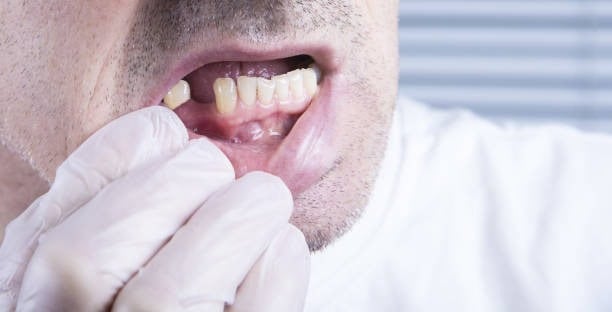
How Does Bone Loss Affect Your Appearance?
Jawbone loss does not just affect your dental health — it visibly changes how you look. Many patients are surprised to learn that the facial changes they associate with aging are often accelerated by missing teeth.
The effects of jawbone deterioration on appearance include:
- Sunken cheeks — loss of bone volume reduces facial support
- Collapsed lip line — the area around the mouth can appear to cave inward
- Premature wrinkles — skin around the jaw loses its underlying structure
- Shortened face height — the distance between the nose and chin decreases over time
- Shifted teeth — neighboring teeth begin to drift into the empty space, causing misalignment
Who Is Most at Risk of Jawbone Loss?
While anyone who loses a tooth is at risk of bone resorption, certain factors can accelerate the process:
- Multiple missing teeth — the more teeth lost, the greater the bone loss
- Wearing removable dentures — dentures sit on top of the gum and provide no bone stimulation whatsoever
- Delaying tooth replacement — every month without a replacement increases bone deterioration
- Gum disease — active periodontal disease destroys both soft tissue and bone
- Smoking — reduces blood flow to the jaw and slows bone maintenance
- Age — older patients experience faster bone resorption rates
Can Jawbone Loss Be Reversed?
In many cases, yes, but it requires intervention. Once bone is lost, it does not grow back on its own. However, modern dental procedures can rebuild lost bone and prepare your jaw for long-term implant treatment.
At Trio Dental Center, the following procedures are available to address bone loss:
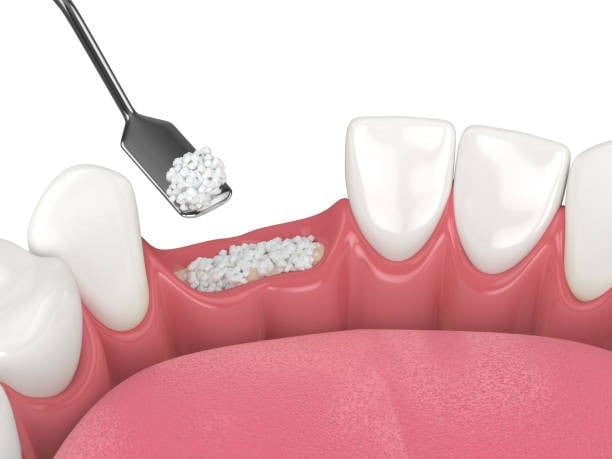
Bone Grafting
A bone graft adds new bone material to areas where resorption has occurred. The graft integrates with your existing jaw structure over several months, restoring the volume needed to support dental implants.
Sinus Lift
For patients with bone loss in the upper jaw, a sinus lift procedure raises the sinus floor and adds bone to create enough depth for implant placement. This is often combined with bone grafting for more complex cases.
Why Dental Implants Are the Only Solution That Prevents Bone Loss
| Dental Implants | Dentures | Dental Bridges | |
| Stimulates jawbone | Yes | No | No |
| Prevents bone resorption | Yes | No | No |
| Fixed and permanent | Yes | No | Yes |
| Natural feel and function | Yes | No | Partial |
| Affects neighboring teeth | No | No | Yes (requires grinding) |
| Lifespan | Lifetime | 5–10 years | 10–15 years |
Dental implants are the only tooth replacement solution that mimics the natural function of a tooth root. Because the titanium post is placed directly into the jawbone, it provides the stimulation needed to keep the bone healthy and dense, just like a natural tooth.
Dentures and bridges, by contrast, sit above the gum line and do nothing to stop bone deterioration from continuing underneath. If you are already wearing dentures, the overdenture procedure can be a valuable step toward implant-supported stability.
The Dental Implant Process at Trio Dental Center
Step 1 — Free Consultation and 3D Scan A comprehensive oral examination and 3D CBCT scan maps your existing bone structure in full detail, allowing specialists to assess the extent of any bone loss and plan the ideal approach.
Step 2 — Preparatory Treatment if Needed If bone grafting is required, this is completed first. Healing time is factored into your personalized treatment plan.
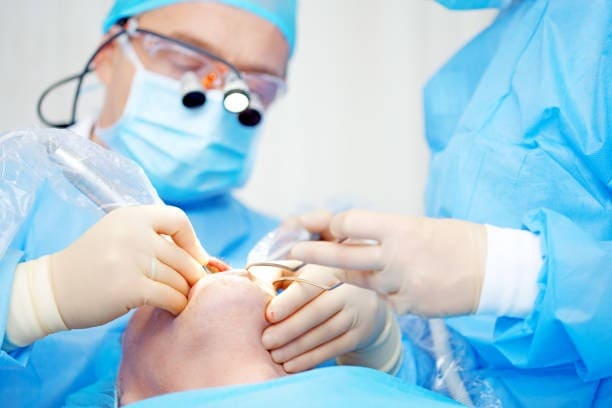
Step 3 — Implant Placement Once bone volume is sufficient, the titanium implant is placed under local anesthesia. Thanks to immediate loading implantology, in eligible cases a temporary crown or prosthesis can be fitted the same day.
Step 4 — Osseointegration Over 3 to 6 months, the implant fuses with your jawbone — restoring the stimulation that keeps bone healthy and preventing any further resorption. For cases requiring a longer healing phase, delayed loading implantology may be recommended.
Step 5 — Final Crown or Prosthesis Your permanent zirconia crown or porcelain restoration is fitted to match your natural teeth — completing both the functional and aesthetic result.
For patients missing most or all of their teeth, full-arch solutions such as All-on-4, All-on-6, or All-on-8 implants may be the ideal approach.
Signs You May Already Have Jawbone Loss
Many patients do not realize bone loss is happening until it has progressed significantly. Watch out for these warning signs:
- Your dentures no longer fit as well as they used to
- You notice your face looks more sunken or aged around the jaw
- Neighboring teeth have shifted or feel loose
- You experience difficulty chewing even soft foods
- A dentist has mentioned that you have insufficient bone for implants
If any of these apply to you, read more about painless dental implants and how Trio Dental Center can help, or browse clinical cases from patients who have been through similar situations.
Why Choose Trio Dental Center?
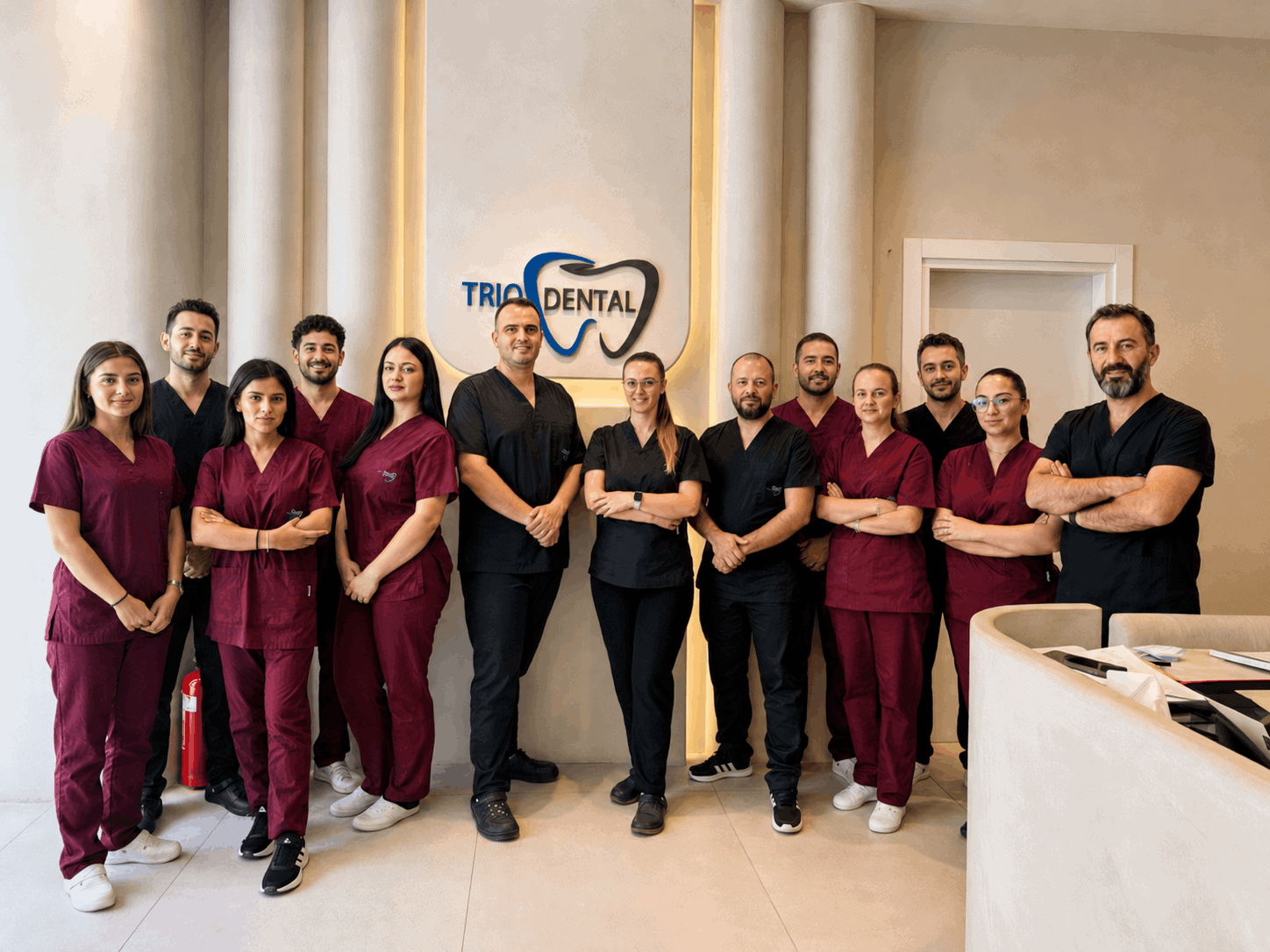
Trio Dental Center is one of Albania’s most trusted dental clinics, welcoming over 3,000 patients per year from Italy, Spain, Germany, the UK, the United States, and beyond. Read verified patient experiences on our testimonials page, or see the best dental clinic rankings for Albania in 2026.
What makes Trio Dental Center stand out:
- Implant and bone-graft surgery by Dr. Elian Dylgjeri (over 2,000 implants since 2013)
- In-house dental laboratory for precision and faster results
- 3D CBCT scanning for detailed bone assessment and implant planning
- Computer-guided and AI-assisted implantology for optimal precision
- Full dental tourism packages — airport transfers, accommodation above the clinic, and city guide included
- Transparent pricing — full breakdown provided before any treatment begins
- Multilingual team fluent in English, Italian, Spanish, French, and Albanian
- Hundreds of verified 5-star reviews from international patients
Contact Trio Dental Center Today
If you have missing teeth — whether one or all of them — do not wait until bone loss becomes a bigger problem. The specialists at Trio Dental Center are ready to assess your situation, explain your options, and create a personalized plan to protect your jawbone and restore your smile.
📍 Location: Tirana, Albania
📞 Phone / WhatsApp: +355 69 747 4695
📧 Email: info@dentaltrio.com
🌐 Website: dentaltrio.com
Do not let bone loss go untreated. Contact Trio Dental Center today and take the first step toward protecting your jaw and rebuilding your smile.


 English
 Shqip
 Italiano
 Français
 Español