

“Do dental implants hurt?” is the most common question new patients ask before booking their treatment. Fear of pain is one of the main reasons people delay getting implants, sometimes for years.
At Trio Dental Center in Albania, we want to give you a completely honest, patient-centred answer based on real experiences and modern techniques that make implant surgery far more comfortable than most people expect.
The Short Answer: Do Dental Implants Hurt?
Dental implant surgery itself does not hurt during the procedure. Local anaesthesia completely numbs the area, meaning you will feel pressure and movement, but no pain. What patients experience after surgery is manageable discomfort that typically resolves within 3 to 5 days.
The fear of pain is almost always worse than the reality. In fact, the majority of our patients at Trio Dental Center report that implant surgery was easier than they expected, many comparing it favourably to a routine tooth extraction.
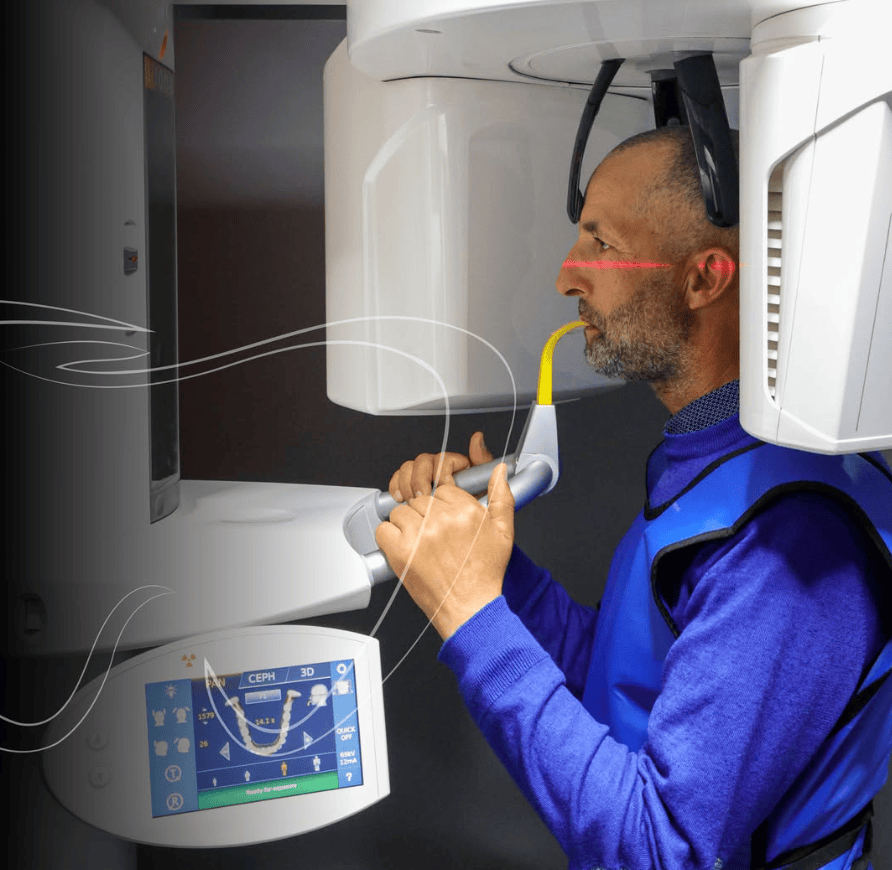
Before the Surgery: What Happens During Preparation?
Before implant surgery at Trio Dental Center, you will go through a comprehensive preparation phase. This includes a 3D CBCT scan to map your jaw structure and a thorough consultation with your implantologist.
During this phase, patients often report:
- Mild dental anxiety — completely normal and expected
- Questions about sedation options — we offer local anaesthesia and IV sedation
- Concerns about the number of implants or surgical complexity
We take time to walk every patient through their personalised treatment plan before anything begins. Understanding what will happen step by step significantly reduces pre-surgery anxiety. For highly anxious patients, conscious sedation is available, meaning you will be relaxed and drowsy throughout the procedure but remain responsive.
During Surgery: What Do Patients Actually Feel?
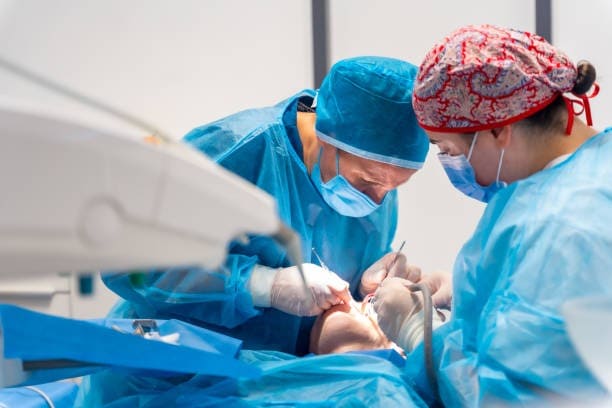
Once local anaesthesia takes effect — which takes just a few minutes — the surgical area is completely numb. The implantologist then makes a small incision in the gum, drills a precise channel into the jawbone, and places the titanium implant post.
What patients actually feel during implant surgery:
- Pressure — you will feel the drill working and the implant being placed
- Vibration — this is normal and does not indicate pain
- Movement — as the surgeon works around your mouth
- Absolutely no sharp pain — the anaesthesia prevents this entirely
The procedure for placing a single implant typically takes 30 to 60 minutes. An All-on-4 or full-arch case takes longer, usually 2 to 3 hours, but the experience is the same: no pain during surgery.
Some patients with severe dental anxiety choose IV sedation, which induces a deeply relaxed state. With sedation, many patients remember very little of the procedure at all.
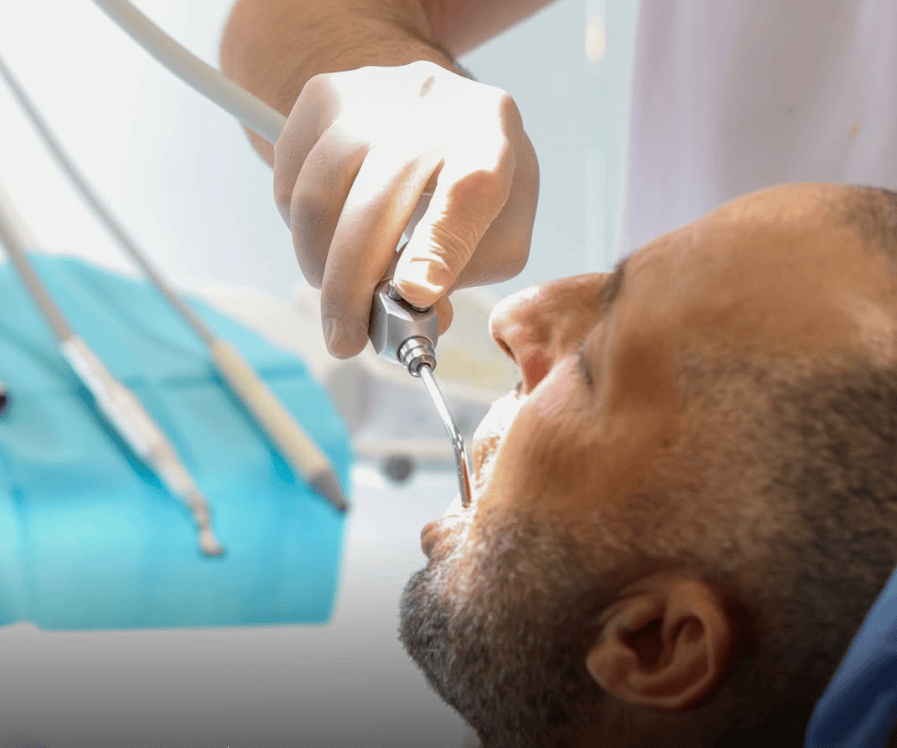
Immediately After Surgery: The First Few Hours
As the local anaesthesia wears off, usually 2 to 4 hours after surgery, patients begin to feel the area again. This is when most people experience their first post-operative discomfort.
Common sensations in the first few hours after implant surgery:
- Mild to moderate aching in the jaw and surrounding area
- Some swelling beginning to develop in the gum and cheek
- Slight bleeding or blood-tinged saliva — this is normal
- Stiffness in the jaw from keeping the mouth open during surgery
We prescribe pain medication to be taken before the anaesthesia fully wears off, which helps manage this transition period smoothly. Most patients find over-the-counter ibuprofen or prescribed analgesics very effective.
Days 1 to 3: The Peak Discomfort Period
The first 72 hours after dental implant surgery represent the peak of any discomfort. During this period, swelling typically increases before it begins to decrease. Pain levels vary from person to person but are generally described as mild to moderate, comparable to having a tooth extracted.
What to expect during the first three days:
- Swelling of the gum and cheek — use ice packs for the first 24 hours
- Pain that is well-controlled with prescribed or over-the-counter medication
- Sensitivity when eating — stick to soft foods and avoid hot drinks
- Slight bruising on the cheek in some patients
- Fatigue — your body is healing, so rest is important
Our team at Trio Dental Center provides every patient with a detailed post-operative care guide and is available via WhatsApp for any questions or concerns during this recovery period. International patients staying in Tirana are seen for a follow-up check the day after surgery.
Days 4 to 7: Significant Improvement
By day 4, most patients notice a significant reduction in swelling and discomfort. Many stop needing pain medication by day 5 or 6. Eating remains somewhat limited, soft foods are still recommended, but the sharp discomfort of the first days is largely gone.
Improvements typically seen during this period:
- Swelling reduces noticeably
- Less reliance on pain medication
- Ability to open the mouth more freely
- Returning energy and improved mood
- Stitches still in place — these dissolve on their own or are removed at the follow-up visit
Week 2 and Beyond: Full Recovery
By the end of the second week, the vast majority of patients feel completely comfortable. The gum tissue has healed over the implant site, any stitches have dissolved or been removed, and normal eating habits can gradually resume.
The osseointegration phase, when the implant fuses with the bone, continues silently over the following 3 to 6 months. During this period, there is no ongoing discomfort. Patients live normally, eat normally, and often forget the implant is there.
Signs of healthy healing:
- No pain at the implant site after the second week
- Gum tissue looks pink and healthy
- No unusual swelling, discharge, or persistent bleeding
- The implant feels stable when touched with the tongue

What If You Feel Pain Weeks After Surgery?
Persistent or worsening pain after the first week can occasionally indicate a complication. While rare, patients should contact their dental clinic if they experience:
- Throbbing pain that does not improve with medication
- Swelling that gets worse after day 3 rather than better
- Fever or chills
- A bad taste or smell from the implant site
- The implant feeling loose or moving
These symptoms may indicate infection or implant rejection both of which are rare but treatable. Trio Dental patients have direct access to our team via WhatsApp and email, and we take all post-operative concerns seriously regardless of where the patient is located.
Tips to Minimise Pain and Speed Up Recovery
Following your post-operative care instructions is the single most effective way to reduce discomfort and ensure successful healing. Here are the key recommendations we give every patient at Trio Dental:
- Take prescribed medication as directed — do not wait for pain to peak
- Apply ice packs to the cheek for 20 minutes on, 20 minutes off during the first 24 hours
- Eat soft, cool foods for the first week — yoghurt, mashed potatoes, soups
- Avoid smoking and alcohol for at least 72 hours post-surgery
- Do not rinse your mouth vigorously for the first 24 hours
- Keep your head elevated when sleeping to reduce swelling
- Maintain good oral hygiene but brush gently around the implant site
Painless Dental Implants at Trio Dental Albania
At Trio Dental Center, we offer what we call painless dental implants not because surgery has no sensation, but because we use every available technique to minimise discomfort at every stage of treatment.
Our approach to pain-free implant care includes:
- Topical anaesthetic before the injection to numb the surface first
- Slow, precise anaesthetic delivery to reduce the stinging sensation
- IV sedation available for anxious patients
- Computer-guided implant placement for minimal tissue trauma
- Comprehensive aftercare with 24/7 patient support
So, do dental implants hurt? The honest answer is: the surgery itself does not, and the post-operative discomfort is far more manageable than most patients fear. If you have been putting off dental implants because of pain concerns, we invite you to contact Trio Dental Center in Albania for a free consultation. We will answer all your questions and help you take the first step toward a permanent, confident smile.


 English
  Shqip
Shqip  Italiano
  Français
  Español