

One of the most common concerns we hear from international patients considering dental implants in Albania is: “What happens when I return home? Who will take care of my implants?”
This is a completely valid question. Unlike a quick vacation where you return home and move on, dental implants are a long-term investment in your oral health that requires proper follow-up care to ensure lasting success.
The good news? With proper planning, clear communication, and the right support system, managing your dental implant aftercare from abroad is entirely straightforward. At Trio Dental Center, we’ve perfected our remote aftercare protocols after helping thousands of international patients achieve successful long-term results.
In this comprehensive guide, we’ll walk you through everything you need to know about managing your dental implant follow-up care after returning home from your dental tourism trip to Albania.
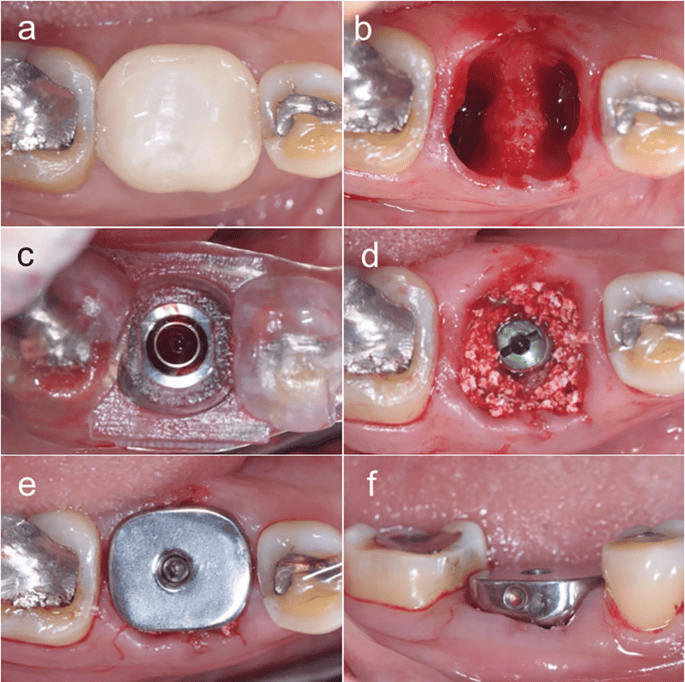
Understanding the Dental Implant Healing Timeline
Before we discuss follow-up care, it’s important to understand the healing process:
Immediate Post-Procedure (Days 1-7)
- You’ll still be in Albania or just returning home
- Initial swelling and discomfort
- Critical period for following post-op instructions
- What we provide: Detailed aftercare instructions, emergency contact information, and prescribed medications
Related: Read our complete guide on what to do after getting dental implants in Albania.
Early Healing Phase (Weeks 2-4)
- Swelling subsides significantly
- Sutures dissolve or are removed (if you received traditional implants)
- Soft tissue begins healing around implants
- Follow-up needed: Photos sent to our team, possible virtual check-in
Osseointegration Period (Months 2-6)
This is when your jawbone fuses with the implant. For immediate loading implants, you already have temporary teeth. For delayed loading implants, you may have a temporary denture.
Follow-up needed: Periodic check-ins with your local dentist, communication with our team
Final Restoration Phase (Months 4-6)
- For delayed loading cases, permanent crowns are placed
- For immediate loading cases, temporary prosthetics are replaced with permanent ones
- Options: Return to Albania for final restoration, or work with a local dentist using our specifications
Long-Term Maintenance (Ongoing)
- Regular dental checkups (every 6 months)
- Professional cleanings
- Monitoring implant health
Related: Learn why checkups and cleanings after dental implants are important.
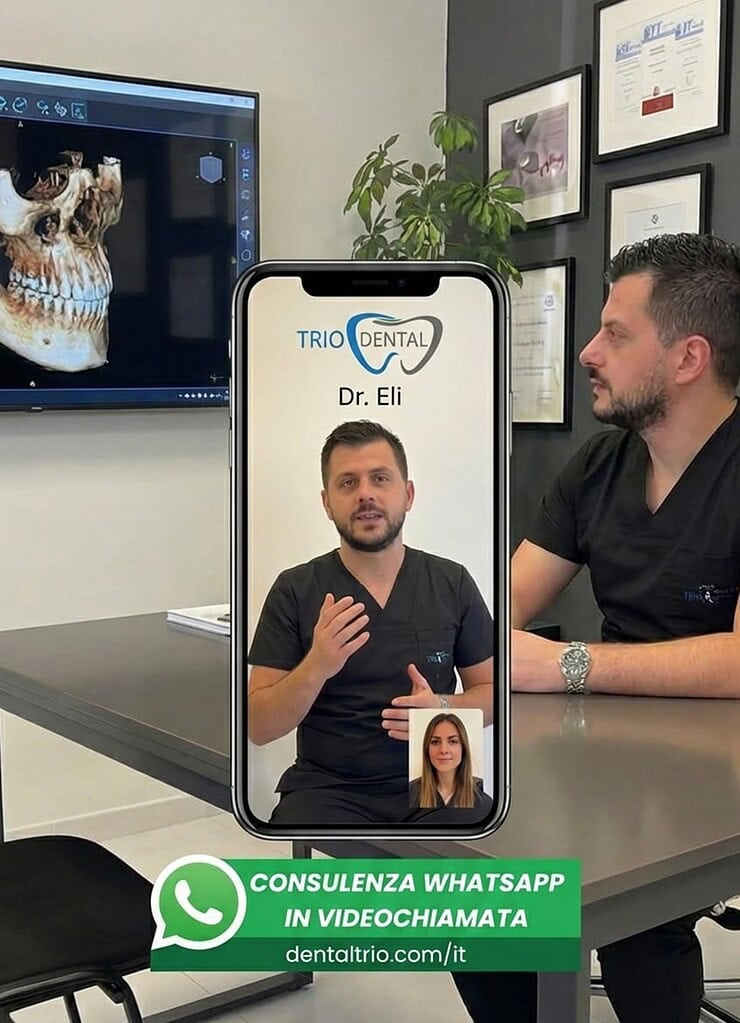
Your Comprehensive Aftercare Package from Trio Dental Center
When you leave our clinic, you won’t be on your own. Here’s what we provide:
1. Detailed Written Instructions
Available in English, Italian, French, and Spanish, including:
- Medication schedule and dosages
- Dietary restrictions and timeline
- Oral hygiene protocols
- Activity limitations
- Warning signs to watch for
- Emergency contact information
2. Complete Medical Documentation
- Treatment summary with medical terminology in English
- X-rays and 3D scans (digital copies)
- Implant specifications (brand, size, position)
- Prosthetic details and materials used
- Warranty information
- Laboratory certificates
Why this matters: This documentation allows any dentist worldwide to understand exactly what was done and continue your care if needed.
3. Direct Communication Channels
- WhatsApp number for your treating dentist
- Email address for non-urgent questions
- Video call availability for visual assessment
- 24/7 emergency hotline
4. Implant Card/Passport
A physical card listing:
- Implant brand and model numbers
- Position of each implant
- Date of placement
- Our clinic contact information
Keep this card in your wallet – it’s essential for any future dental work or in case of emergency.
The First 72 Hours After Returning Home: Critical Care Period
Managing Discomfort and Swelling
Even with painless dental implants, some discomfort is normal during healing.
What’s normal:
- Mild to moderate swelling (peaks day 2-3)
- Minor bleeding in saliva for 24-48 hours
- Bruising around the surgical site
- Slight discomfort managed with prescribed pain medication
- Difficulty opening mouth fully (if you had multiple implants or All-on-4/All-on-6 treatment)
What requires immediate contact with us:
- Severe, uncontrollable pain
- Excessive bleeding that doesn’t stop
- Signs of infection (fever over 38.5°C, severe swelling, pus)
- Implant feels loose
- Prosthetic feels unstable (for immediate loading cases)
Medication Management
Continue all prescribed medications:
- Antibiotics (complete the full course, even if you feel better)
- Pain relievers (as needed)
- Anti-inflammatory medication
- Mouth rinse (typically chlorhexidine)
Important: If you need additional medication at home, we provide prescriptions with generic names recognized worldwide.
Dietary Guidelines
Days 1-3: Soft, cool foods only
- Yogurt, smoothies, soups (cooled), mashed potatoes, protein shakes
Days 4-7: Soft foods, nothing crunchy
- Pasta, scrambled eggs, soft fish, cooked vegetables
Weeks 2-4: Gradually introduce normal foods
- Avoid very hard or sticky foods
- Cut food into small pieces
- Chew on the opposite side if only partial work was done
Long-term: No dietary restrictions for most patients
- Some extremely hard foods may always require caution (ice, hard candy)
Related: Learn more about maintaining healthy teeth with proper nutrition.

Finding and Working with a Local Dentist
Why You Need a Local Dentist
Even with our remote support, having a local dentist provides:
- Immediate in-person assessment if problems arise
- Routine cleaning and preventive care
- Treatment for non-implant dental issues
- Peace of mind
How to Find an Implant-Friendly Dentist
Option 1: Use Our Referral Network We have established relationships with dentists in many European countries who are familiar with our protocols and can provide follow-up care. Ask us for referrals in your area.
Option 2: Find Your Own When searching independently, look for:
- Dentists experienced with dental implants (even if they don’t place them, they should be able to maintain them)
- Willingness to work with documentation from international clinics
- Modern diagnostic equipment (digital X-rays at minimum)
- Good communication skills and professionalism
What to Tell Your Local Dentist
During your first visit, provide:
- Complete documentation from Trio Dental Center
- Digital X-rays and scans
- Implant specifications
- Timeline of your treatment
- Our contact information for dentist-to-dentist communication
Most dentists are happy to collaborate, especially when provided with thorough documentation.
Common Services Your Local Dentist Can Provide
- Routine cleanings and checkups
- X-rays to monitor implant health
- Treatment of surrounding teeth
- Assessment of any concerns
- Minor adjustments to prosthetics
Services Typically Requiring Return to Our Clinic
- Major prosthetic repairs or replacements
- Additional implant placement
- Significant modifications to All-on-4 or All-on-6 prosthetics
- Warranty-related work
Cost consideration: Because you’ve saved 60-80% on your initial treatment compared to UK or Western European prices, even returning to Albania for major work can be cost-effective.
Related: See our price comparison for dental implants in Albania vs UK.
Remote Monitoring: How We Stay Connected
Photo Documentation
We’ll ask you to send photos at specific intervals:
- Week 1: Initial healing assessment
- Week 4: Soft tissue healing
- Month 3: Overall assessment (especially for delayed loading cases)
- Month 6: Before final restoration
How to take effective photos:
- Use good lighting (natural daylight is best)
- Take multiple angles (front, both sides, top, bottom)
- Close-ups of surgical sites
- Show your bite (if applicable)
- Include any areas of concern
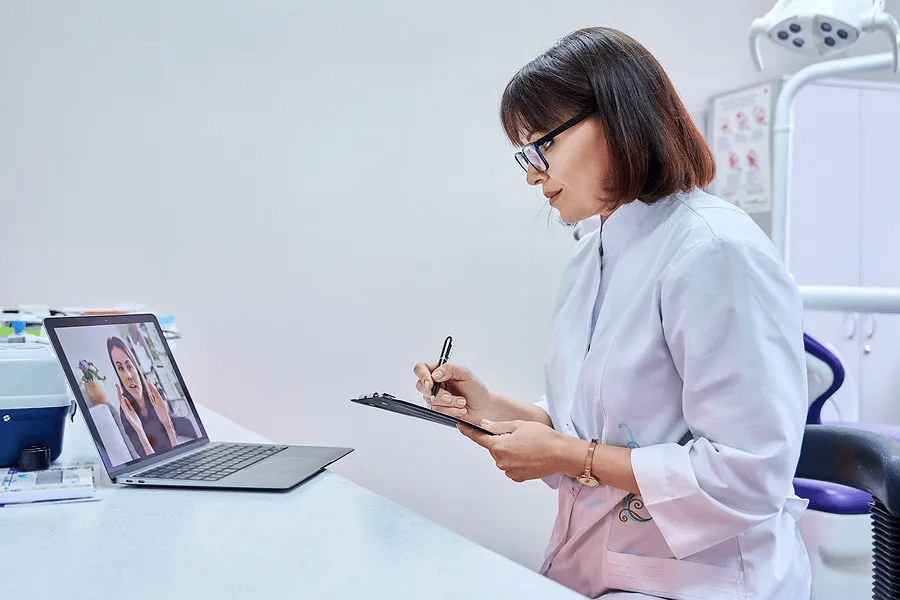
Virtual Consultations
We offer scheduled video calls via WhatsApp, Zoom, or Skype for:
- Reviewing healing progress
- Discussing any concerns
- Planning next steps
- Answering questions
Typically scheduled at:
- 2-week mark
- 1-month mark
- 3-month mark (for delayed loading)
- Before your return visit (if applicable)
X-Ray Sharing
If your local dentist takes X-rays, they can email them directly to our clinic. We’ll review them and provide feedback on:
- Implant integration
- Bone levels
- Any potential issues
- Recommendations for continued care
Managing Common Post-Implant Issues from Home
Sensitivity Around Implants
Cause: Normal during healing, or residual cement from crown placement
What to do:
- Use sensitivity toothpaste
- Avoid extremely hot or cold foods
- Continue gentle cleaning
- Contact us if it persists beyond 4-6 weeks
Swollen or Tender Gums
Cause: Could be normal healing, or early sign of inflammation
What to do:
- Improve oral hygiene around the area
- Use prescribed mouth rinse
- Gently massage gums
- Send us photos
Related: Learn about supporting optimal gum health.
Loose Prosthetic Screw
Cause: Screws can loosen slightly as you adjust to new teeth
What to do:
- Don’t try to tighten it yourself
- Avoid eating on that side
- Contact us immediately
- See local dentist for emergency tightening if needed
- We’ll guide them on proper torque specifications
Food Getting Stuck
Cause: May need minor prosthetic adjustment
What to do:
- Use water flosser to clean area
- Avoid sticky foods
- Document and report to us
- Can usually be adjusted on your next visit
Minor Chip or Crack in Prosthetic
Cause: Accident or grinding habits
What to do:
- Send clear photos
- Avoid using that area
- We’ll assess if it needs immediate repair or can wait
- Many minor chips can be smoothed by local dentist
Oral Hygiene Protocol for Long-Term Success
Proper home care is the single most important factor in long-term implant success.
Daily Cleaning Routine
Morning and Night:
- Brush carefully around implants with soft-bristle toothbrush
- Use gentle circular motions
- Don’t scrub aggressively
- Include gum line
- Floss or use interdental brushes
- Special implant floss is available
- Water flossers are excellent for implant patients
- Don’t skip between implants and natural teeth
- Use antimicrobial mouth rinse (if recommended)
- Helps prevent bacteria buildup
- Don’t use immediately after brushing (wait 30 minutes)
Related: Master proper flossing technique.
Special Tools for Implant Care
- Water flosser/irrigator: Excellent for cleaning around implants, especially All-on-4 or All-on-8 prosthetics
- Interdental brushes: Small brushes to clean between teeth and implants
- Stimulator tips: Rubber tips for gentle gum massage
- Proxy brushes: For cleaning under bridge areas
Products to Avoid
- Abrasive toothpaste: Can scratch implant surfaces
- Metal tools: Never use metal picks around implants
- Whitening toothpaste: May not be suitable for your prosthetic material
We’ll provide specific product recommendations based on your restoration type.
Foods That Support Healing
- High-protein foods (promote tissue repair)
- Vitamin C-rich foods (support gum health)
- Calcium and vitamin D (support bone integration)
- Plenty of water (keeps mouth clean)
Related: Discover foods that brighten tooth enamel and support overall oral health.
Planning Your Return Visit (If Needed)
For certain treatment types, you may need to return to Albania for final restoration.
When a Return Visit is Typically Needed
Delayed Loading Implants:
- After 3-6 months of healing
- For placement of permanent crowns/bridges
- Usually requires 3-5 days in Albania
All-on-4/All-on-6/All-on-8:
- Some patients return after 4-6 months to replace temporary prosthetics with permanent ones
- Others keep their immediate loading prosthetics indefinitely
- Depends on individual treatment plan
Adjustments or Modifications:
- If significant changes needed
- For warranty-covered work
- For complex prosthetic work
Coordinating Your Return Visit
We make it easy:
- Flexible scheduling: We work around your availability
- Expedited appointments: Priority scheduling for returning patients
- Shorter treatment time: Since implants are already integrated
- Accommodation assistance: We can help book hotels
- Airport pickup available: Upon request
Cost advantage: Even with travel costs, returning to Albania for major dental work is usually cheaper than having it done in Western Europe.
Related: Read our complete guide to dental implant trips.
Long-Term Maintenance Schedule
Year 1
- Months 1-6: Remote monitoring with our team + local dentist as needed
- Month 6: Check-in with local dentist (X-rays)
- Month 12: Comprehensive evaluation (can be done locally with X-rays sent to us)
Years 2-5
- Every 6 months: Professional cleaning and checkup with local dentist
- Annually: X-rays sent to our team for assessment
- As needed: Contact us with any concerns
Year 5+
- Continue 6-month checkups
- Annual X-ray review
- Consider returning to Albania for comprehensive evaluation every 3-5 years
Related: Learn how often you need dental checkups.
Our Warranty and What It Covers
At Trio Dental Center, we stand behind our work:
Implant Warranty
- Coverage: Implant failure due to non-integration
- Duration: Typically 5-15 years depending on implant brand
- Requires: Following post-op instructions, proper oral hygiene, regular checkups
- Covers: Replacement implant and placement (not prosthetic)
Prosthetic Warranty
- Coverage: Manufacturing defects, premature wear under normal use
- Duration: Varies by material (typically 2-5 years)
- Requires: Proper care, no trauma
- Covers: Repair or replacement of prosthetic
What’s NOT Covered
- Damage from trauma/accident
- Wear from grinding (unless you’re using provided night guard)
- Failure to maintain proper oral hygiene
- Complications from smoking (we strongly advise against smoking)
- Work done by other dentists
Important: Keep all documentation and follow recommended care protocols to maintain warranty coverage.
Warning Signs That Require Immediate Attention
Contact us immediately if you experience:
Emergency Situations:
- Severe, persistent pain (especially after initial healing period)
- Implant feels loose or mobile
- Fever with swelling
- Severe bleeding
- Prosthetic completely detaches
- Signs of systemic infection
Urgent (Contact Within 24-48 Hours):
- Persistent swelling after week 2
- Bad taste or odor around implant
- Gums receding around implant
- Screw becomes visible
- Prosthetic feels different/uncomfortable
- Difficulty chewing that develops suddenly
Monitor and Report:
- Minor sensitivity that persists
- Small changes in bite
- Slight gum inflammation
- Questions about care routine
We’re always available: Remember, your success is our success. We’d rather you contact us about something minor than wait until it becomes a major issue.
Success Stories: International Patients Managing Aftercare
“I was nervous about getting dental implants in Albania because I live in London. But Trio made it so easy. They gave me everything I needed, connected me with a local dentist for cleanings, and were always available on WhatsApp when I had questions. Two years later, my implants are perfect!” – James, UK
“I returned to Italy after my All-on-4 treatment. Following their instructions was simple, and my local dentist was impressed with the documentation they provided. Best decision I ever made!” – Alessandra, Italy
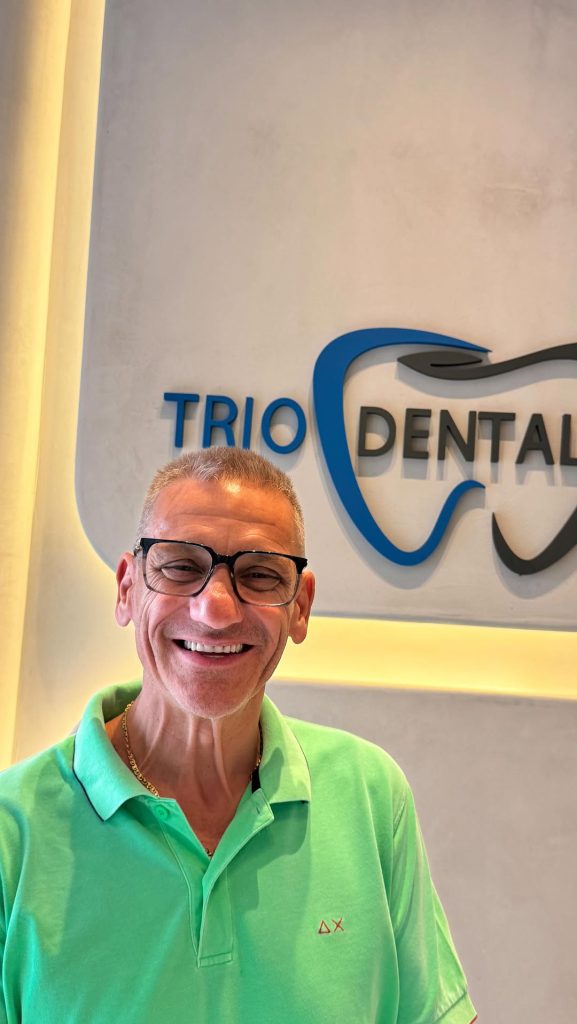
“The remote support was incredible. I sent photos every week for the first month, and they reviewed everything carefully. When I had a question about slight sensitivity, they reassured me it was normal and told me exactly what to do. I felt supported every step of the way.” – Philippe, France
Read more: Browse our patient testimonials and see before/after results.
Cost Comparison: Follow-Up Care
One concern patients have is the cost of follow-up care in their home country. Here’s the reality:
Routine Maintenance Costs (In Your Home Country)
- Cleaning and checkup: €80-150 every 6 months
- X-rays (when needed): €30-60
- Minor adjustments: €50-100
Total annual cost for routine maintenance: €200-400
If You Need Major Work
Option 1: Have it done locally in UK/Western Europe
- Prosthetic replacement: €1,500-3,000+
- Implant replacement: €2,000-3,500+
Option 2: Return to Albania for major work
- Prosthetic replacement: €500-800
- Implant replacement: €600-1,200
- Plus travel costs: €200-400
Even with travel, Albania is often cheaper for significant work.
Related: See our complete pricing information and learn about the cost of dental implants in Albania.
Frequently Asked Questions
Q: What if I move to a different country after my treatment? A: No problem! Your documentation is comprehensive and recognized internationally. Contact us and we’ll help you find a dentist in your new location.
Q: Can I go to any dentist for cleanings? A: Yes, any general dentist can perform routine cleanings and checkups. Just provide them with your implant information.
Q: What if my local dentist doesn’t understand something in the documentation? A: We encourage dentist-to-dentist communication. Your local dentist can email or call us directly for clarification.
Q: How long will my implants last? A: With proper care, dental implants can last 20+ years, often a lifetime. Success depends largely on your oral hygiene and regular maintenance.
Related: Read about dental implant recovery process.
Q: Do I need to return to Albania for all future dental work? A: No. Only return for major implant-related work. Your local dentist can handle routine care and treatment of your natural teeth.
Q: What if I need emergency care on a weekend? A: Contact our emergency line. We’ll assess the situation remotely and advise you on whether to see a local emergency dentist or if it can wait for regular hours.
Q: Will my local dentist charge me more because I had treatment abroad? A: Most dentists charge standard rates regardless of where treatment occurred. If you encounter resistance, we can provide referrals to more internationally-minded practitioners.

 English
  Shqip
Shqip  Italiano
  Français
  Español