
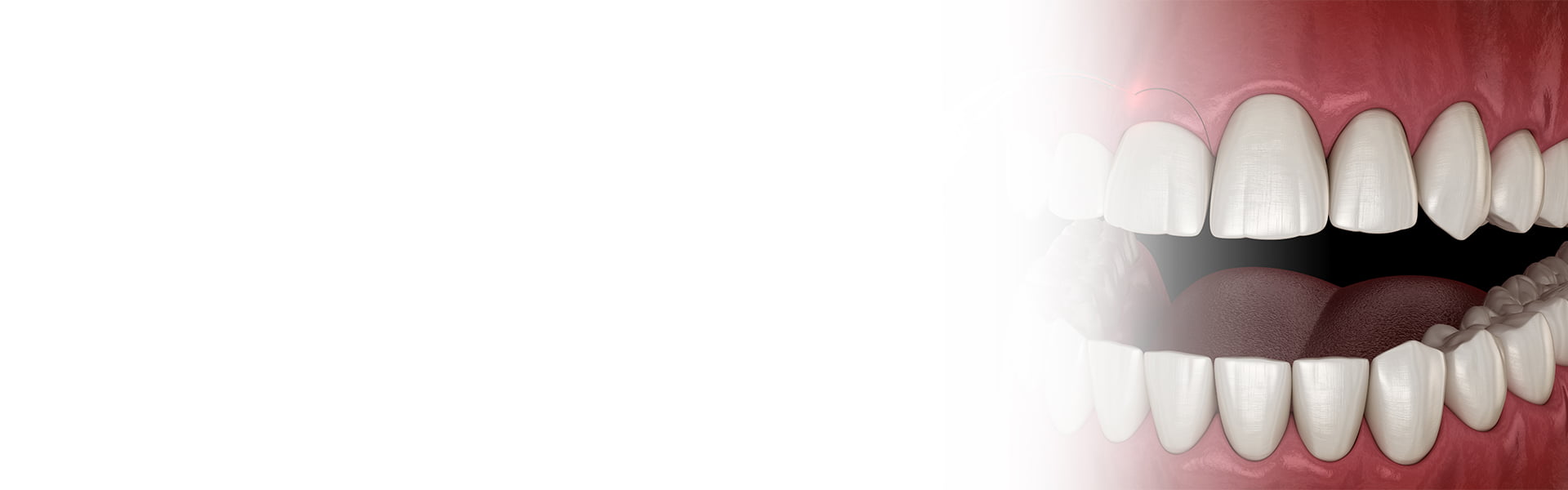
Excess gum tissue can make teeth appear shorter, create an uneven gum line, or make oral hygiene more difficult. Laser gingivectomy in Albania is one possible treatment for selected patients who need excess gingival tissue removed for cosmetic or clinical reasons.
At Trio Dental Center, we provide gum correction treatments and assess the underlying cause of gum enlargement before recommending a procedure.
What Is Laser Gingivectomy?
Gingivectomy is a dental procedure that involves removing a selected amount of gum tissue. It may be performed to address certain types of gingival enlargement or to improve the appearance and accessibility of the teeth.
When a suitable dental laser is used, it allows the clinician to cut or reshape soft tissue with controlled energy. Different laser systems have specific applications, and the technique must be selected according to the patient’s condition.
Our gum correction services include laser gum contouring and other procedures involving the surrounding soft tissues.
However, removing gum tissue is not appropriate for every periodontal or cosmetic concern. A clinical examination is necessary to establish whether the proposed treatment is suitable.
Why Does Excess Gum Tissue Develop?
Gum enlargement can have several different causes. Some involve natural anatomy, while others are associated with inflammation, medication, or underlying medical conditions.
Common contributing factors include:
- Naturally prominent gum tissue.
- Plaque-related gingival inflammation.
- Certain prescribed medications.
- Hormonal changes.
- Orthodontic appliances that complicate cleaning.
- Local irritation around teeth or restorations.
- Selected medical or periodontal conditions.
The appearance of enlarged gums does not reveal the cause by itself. Dentists may need to evaluate gum pockets, plaque accumulation, medication history, and supporting bone.
In some cases, improved plaque control and professional periodontal treatment can reduce swelling without surgical removal. The underlying cause should be addressed before considering cosmetic reshaping.
When Is Laser Gingivectomy in Albania Recommended?
Laser gingivectomy may be considered when excessive soft tissue affects appearance or makes cleaning difficult. The procedure should have a clear clinical indication and be performed only after the dentist evaluates periodontal health.
Potential situations include:
- Selected cases of gingival enlargement.
- Certain uneven gum contours.
- Excess tissue around adequately supported teeth.
- Specific aesthetic concerns involving visible gums.
- Situations where tissue removal improves access for oral hygiene.
However, gingivectomy is not a universal treatment for periodontal disease. Patients with deeper periodontal problems may require other procedures to manage inflammation and protect supporting tissues.
The dentist must also assess how much healthy gum tissue should remain. Removing too much tissue can cause recession, sensitivity, or aesthetic problems.
Can Laser Gingivectomy Correct a Gummy Smile?
A gummy smile describes a situation where a relatively large amount of gum tissue is visible when a person smiles. However, the appearance can result from several different anatomical factors.
Some patients have excess gum covering part of the natural tooth crowns. Others may have altered tooth eruption, a short upper lip, or increased movement of the upper lip while smiling.
Gum contouring may improve the appearance when the main problem involves excess gingival tissue. However, it cannot correct every cause of excessive gum display.
An appropriate assessment considers:
- The length and proportions of the teeth.
- The position of the gum margins.
- The underlying bone level.
- Upper-lip movement.
- The amount of gum tissue visible when smiling.
When bone position limits how much tissue can safely be removed, a more complex crown-lengthening procedure may be necessary. In other cases, gingivectomy alone may not be appropriate.
Laser Gingivectomy vs Traditional Gingivectomy
Both laser and conventional gingivectomy aim to remove selected excess gum tissue. The main difference is the instrument used to perform the procedure.
| Karakteristikat | Laser Gingivectomy | Traditional Gingivectomy |
|---|---|---|
| Main instrument | Dental laser | Scalpel or surgical instruments |
| Tissue removal | Laser energy | Mechanical cutting |
| Bleeding | May be reduced in selected cases | Controlled using conventional techniques |
| Procesi i rikuperimit | Depends on procedure and tissue response | Depends on procedure and tissue response |
| Main consideration | Suitable laser and trained operator | Appropriate surgical technique |
Laser treatment may provide advantages in controlling bleeding and managing soft tissue. However, it does not eliminate the possibility of discomfort, complications, or postoperative care requirements.
The quality of the diagnosis and the amount of tissue removed are more important than choosing a procedure solely because it involves a laser.
What Happens Before Laser Gum Removal?
Before recommending gingivectomy, the dentist examines the gums and assesses the health of the supporting tissues. This may involve periodontal measurements, photographs, and diagnostic imaging when appropriate.
The clinical team also reviews any medications or health conditions that could contribute to gum enlargement. Patients should never stop prescribed medication without guidance from the healthcare professional responsible for their treatment.
At Trio Dental Center, the consultation helps establish whether tissue removal is necessary or whether another approach would better address the problem.
If the gum tissue appears unusually enlarged or has suspicious features, additional investigation may be required. Cosmetic treatment should not proceed before important underlying conditions have been assessed.
How Is Laser Gingivectomy Performed?
The procedure usually begins with local anaesthesia to numb the treatment area. The dentist then uses the selected instrument to remove or reshape the tissue according to the planned gum contour.
During laser treatment, the clinician controls the interaction between the laser and soft tissue. The surrounding teeth, roots, and supporting structures must be protected throughout the procedure.
The extent of treatment determines whether one tooth or several areas will be addressed. Additional procedures may be needed if the underlying bone position prevents safe reshaping through soft-tissue removal alone.
Patients receive postoperative instructions before leaving the clinic. These may include cleaning recommendations, dietary adjustments, and guidance about expected healing.
What Should You Expect During Recovery?
The gums begin healing after treatment, but the recovery period varies depending on how much tissue was removed. Temporary tenderness, swelling, and changes in gum appearance can occur.
Patients may be advised to avoid hard, spicy, or irritating foods during the initial healing period. The dentist will explain how to clean the area without disturbing the treated tissues.
The gum line may change slightly as inflammation settles and healing progresses. The final appearance should therefore be assessed after the tissues have had sufficient time to recover.
Contact your dentist if you develop persistent bleeding, increasing swelling, fever, or worsening pain. These symptoms require evaluation rather than assuming they are part of normal healing.
Can Gum Contouring Be Combined With Veneers or Crowns?
Yes, selected patients may benefit from gum contouring as part of a broader restorative or cosmetic treatment plan. However, the gum tissues must be healthy and sufficiently healed before certain final restorations are completed.
For example, patients considering dental veneers may have uneven gum margins that affect the visible proportions of the front teeth. Addressing the gum line first may help establish suitable restorative dimensions. Learn more about gum contouring before veneers.
Gum treatment can also be relevant when preparing selected teeth for dental crowns. The dentist must respect the tissues that attach the gums to the teeth and protect the underlying supporting structures.
Combining treatments requires careful planning. Removing gum tissue solely to improve appearance is inappropriate when it would compromise periodontal health.
What Are the Risks and Limitations?
Gingivectomy is a surgical procedure, even when performed with a laser. Patients should understand that discomfort, bleeding, infection, recession, or unwanted changes in the gum contour are possible.
A significant limitation involves the amount of tissue that can be removed safely. Excessive removal may expose sensitive tooth surfaces or interfere with healthy tissue attachment.
Gingival enlargement may also return when the underlying cause remains untreated. Patients with plaque-related inflammation or medication-associated enlargement may require ongoing management.
For these reasons, the decision should be based on diagnosis and periodontal health rather than cosmetic preferences alone.
Our wider cosmetic dentistry services include several approaches to improving smile appearance. The appropriate option should be selected only after oral health has been assessed.
Pyetjet E Bëra Më Shpesh
Is Laser Gingivectomy Painful?
Local anaesthesia is commonly used to reduce discomfort during the procedure. Some tenderness may occur afterward as the gum tissue heals.
Can Laser Gingivectomy Damage Healthy Gums?
Removing excessive tissue or using an inappropriate technique can cause complications. Careful diagnosis, treatment planning, and professional experience are essential.
Will the Excess Gum Tissue Grow Back?
Recurrence is possible, particularly when the underlying cause of enlargement remains present. Maintaining oral hygiene and managing contributing conditions can help reduce this risk.
Can Gingivectomy Treat Gum Recession?
No, removing additional gum tissue does not correct recession. Patients with exposed roots may need other periodontal treatments, including selected gum grafting procedures.
Can I Have Veneers Immediately After Gum Contouring?
The appropriate interval depends on the procedure and how the gums heal. The dentist should evaluate tissue stability before completing restorations that depend on the final gum position.
🌿 Create a More Balanced Gum Line With Professional Guidance
Excess gum tissue does not always require surgery, and the right treatment begins with identifying its cause. Our team can examine your gum condition and explain whether laser gingivectomy, periodontal care, or another approach may be appropriate.
- 📧 Email: info@dentaltrio.com
- 📞 Telefoni: +355 69 747 4695
- 📍 Location: River Residence, Floor 1, Tirana 1001, Albania
- 🌐 Contact: Ask About Gum Correction Treatment


 English
 Shqip
 Italiano
 Français
 Español