

Dental veneers in Albania can look good for many years, but their lifespan is not fixed. Porcelain veneers often last around 10–15 years, while composite versions generally need attention sooner. What matters is how you clean them, prevent excessive force and spot problems early.
How Long Do Dental Veneers Really Last?
The 10–15-year range is a useful expectation for porcelain veneers, not a replacement date or a guarantee. Some last longer; others need repair earlier because of a chip, a loose bond or problems with the tooth underneath.
Research following porcelain veneers has found high survival over ten years, but these results describe groups of restorations under different clinical conditions. They cannot predict any individual result. A veneer that still fits well after 15 years does not automatically need replacing.
Porcelain or Composite: Does Material Change the Lifespan?
Yes, although good material alone cannot protect a veneer against every problem. Porcelain resists everyday staining and surface wear better, while composite resin is easier to repair directly but may lose its polish or develop stains sooner.
| Karakteristikat | Faseta prej porcelani | Composite veneers |
| Typical lifespan | Often around 10–15 years | Commonly around 5–8 years |
| Colour over time | Generally more stain-resistant | More likely to stain or dull |
| Minor damage | May need polishing, repair or replacement | Often easier to repair with resin |
At Trio Dental Center, our veneer treatment includes laboratory-made E-max and zirconia options. We discuss the material during planning because your tooth condition, bite and desired appearance all matter. These are estimates, not promises.
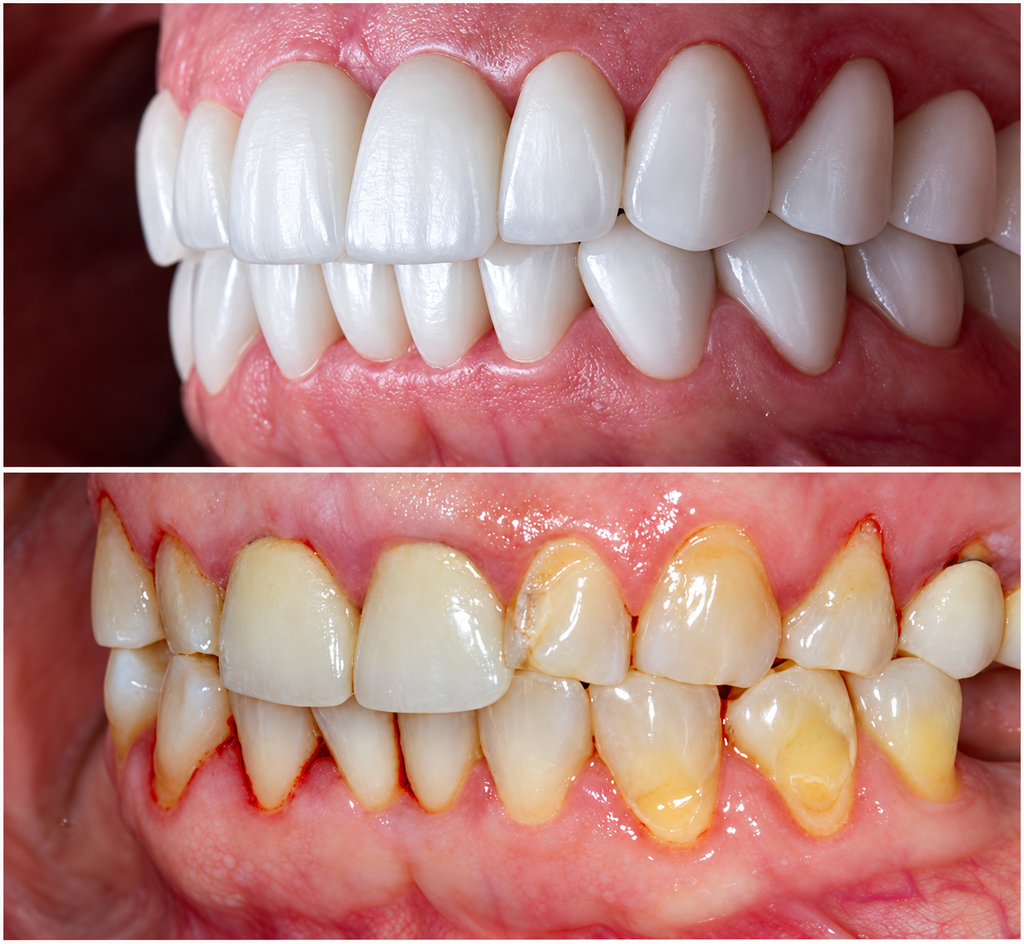
The First Days: Treat Your New Veneers Normally, but Carefully
After your final veneers are bonded, your dentist checks how your upper and lower teeth meet. Your mouth may feel slightly unfamiliar at first, but a veneer should not feel unusually high when you bite.
For the first few days, take particular care if your gums feel tender around the edges. Brush gently, follow any instructions given at fitting and contact the clinic if discomfort increases rather than settles.
If local anaesthetic was used, wait until the numbness has worn off before chewing so you do not accidentally bite your lip or cheek. Permanent veneers do not require a lifelong soft-food diet.
A Simple Daily Routine That Protects Veneers
Veneers cover the front of teeth, but the natural teeth and gums still need daily cleaning. Cavities can develop around the edges of a veneer, and gum inflammation can change how the smile looks.
Keep the routine straightforward:
- Morning: Brush for two minutes with a soft toothbrush and fluoride toothpaste. Clean gently along the gumline rather than scrubbing the veneer edges.
- Once each day: Floss or use an interdental cleaner that fits comfortably between your teeth. Ask for a demonstration if needed.
- Evening: Brush again before bed, paying attention to the back and sides of the veneered teeth as well as their front surfaces.
- At check-ups: Have your dentist look for plaque, gum changes, wear and any small defects in the bonding margins.
You do not need a special cleaning kit. Avoid aggressive polishing products or whitening pastes that are highly abrasive, and ask your dentist which toothpaste and cleaning tools suit your restorations.
Four Everyday Habits That Can Shorten Their Life
Biting hard objects. Ice, pen caps and fingernails put concentrated pressure on veneer edges. Use a tool instead of your teeth to open packaging, and be sensible with very hard foods.
Grinding or clenching. Repeated pressure during sleep may contribute to cracks or a veneer coming loose. If your dentist identifies grinding, a custom night guard may help protect your restorations.
Skipping gum care. A healthy-looking ceramic surface does not mean the gumline is healthy. Bleeding gums, persistent bad breath or newly visible margins deserve a check rather than stronger brushing.
Ignoring a changed bite. A small change in how your teeth meet may concentrate force on one veneer. If a tooth starts catching when you close your mouth, have the bite assessed before damage develops.
Know the Difference Between Normal Wear and a Warning Sign
Small changes in appearance do not always mean a veneer has failed. Composite can lose some shine, while porcelain may remain smooth even when the surrounding natural teeth gradually change colour.
Arrange a dental assessment if you notice:
- A rough or sharp edge that was not there before.
- A veneer that moves or feels loose.
- New sensitivity, discomfort when biting or persistent pain.
- A dark line or food collecting around a margin.
- Bleeding or swelling of the gum beside the veneer.
If a veneer comes off, keep it somewhere safe and contact a dentist promptly. Do not try to glue it back yourself. Severe swelling, fever or rapidly worsening pain needs urgent local dental assessment.
Repair, Polish or Replace: What Happens Next?
A small surface imperfection might be polished, and some minor chips can be repaired. A fractured porcelain veneer, repeated loosening or decay beneath an edge may require a different solution.
Before recommending replacement, the dentist checks both the restoration and the underlying tooth. Replacing veneers just because they have reached a certain age can mean unnecessary treatment, especially when they remain comfortable and sound.
Living in Italy? Plan Your Follow-Up Close to Home
Having veneers placed in Tirana does not mean travelling back for every routine check. You can arrange regular examinations and cleaning with your dentist in Italy.
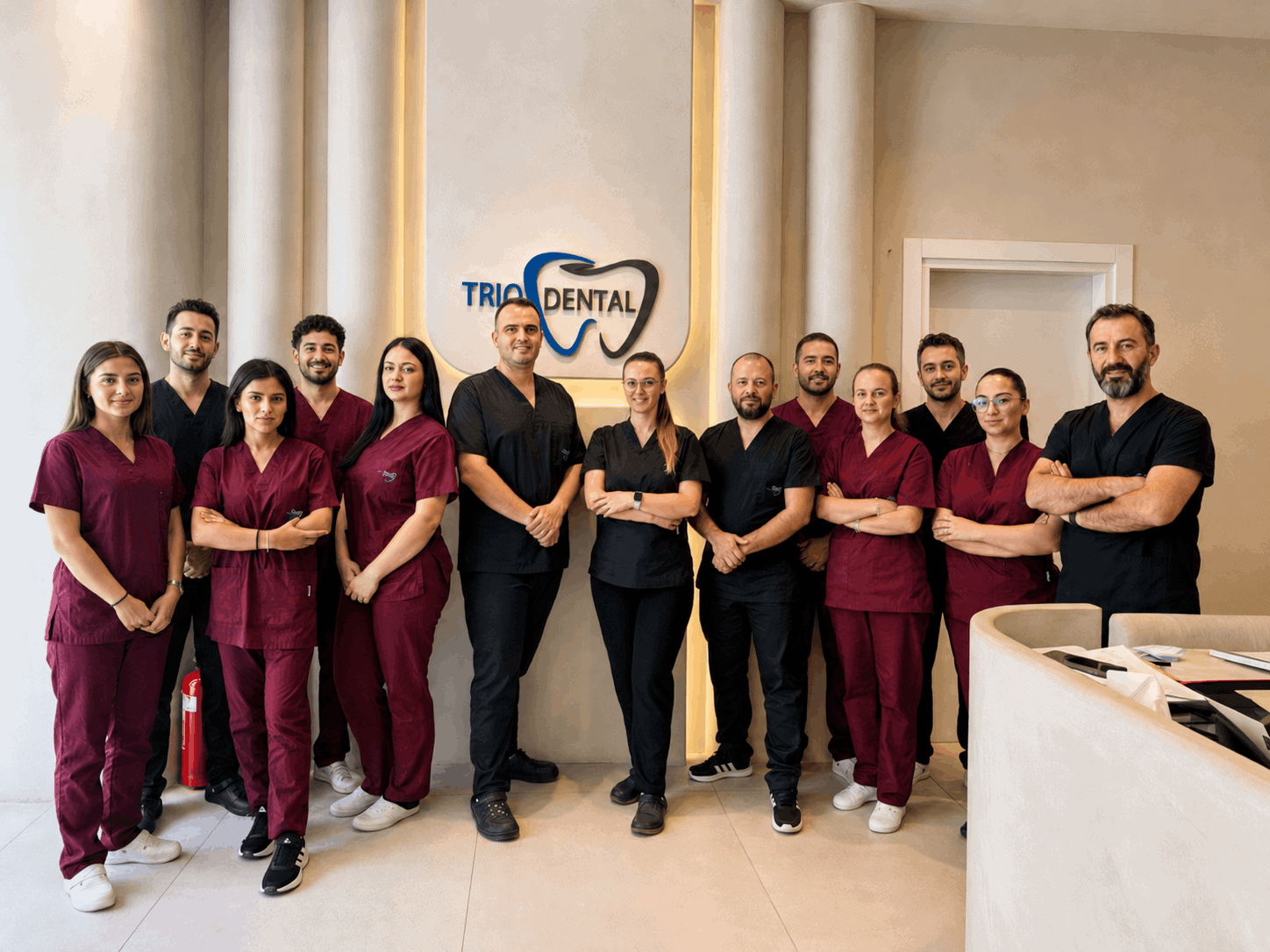
At Trio Dental Center, our team communicates with international patients in Italian and English. If a problem develops after returning home, contact us and describe the change; we can discuss the next step, although photos or messages cannot replace an examination. Our dental tourism information explains how visits are organised.
FAQs About Dental Veneers and Aftercare
Can I still drink coffee if I have porcelain veneers?
Yes. Porcelain usually resists staining better than composite, but coffee can still discolour natural teeth and, over time, some areas around restoration edges. Regular cleaning is more useful than trying to avoid every coloured drink.
Can teeth whitening make old veneers white again?
No. Whitening products act on natural teeth and do not reliably change the colour of ceramic veneers. If your natural teeth have changed shade, ask a dentist to assess the colour match before using whitening treatment.
Can I use an electric toothbrush with veneers?
Yes, an electric toothbrush is generally suitable when used gently with an appropriate brush head. Do not press hard against your gums or assume that more pressure means cleaner teeth.
Do I need to replace all my veneers if one breaks?
Not necessarily. A dentist can examine the damaged veneer and decide whether it can be repaired or replaced individually. Matching the colour and shape of a single replacement may require careful planning.
Will my gums change around veneers as I get older?
They can. Gum recession may expose part of the natural tooth or a veneer margin, even if the ceramic itself remains intact. Regular examinations help spot these changes.
✨ Transform Your Smile With Dental Veneers at Trio Dental Center
Thinking about veneers, or concerned about restorations you already have? Tell our team what you would like to check, and we can help you arrange an appropriate consultation in Tirana.
- 📧 Email: info@dentaltrio.com
- 📞 Telefon: +355 69 747 4695
- 📍 Vendi: River Residence, Kati 1, Tiranë 1001, Shqipëri
- 🌐 Contact us: Get in touch with Trio Dental Center


 English
 Shqip
 Italiano
 Français
 Español